
Most men treat trouser shopping the same way they treat choosing a restaurant: go with what they know, pick what looks right, and sort out the rest when it arrives. The color works, the cut is familiar, and the fit is close enough. Then six months later the waistband has flared, the seat has ballooned, and the whole thing hangs like a question mark.
Fit is the part men have started to figure out. The problem is everything that determines whether fit holds: fabric weight, construction quality, finishing detail. There are more styles of pants for men than most people default to, and the right starting point changes what good fit actually looks like. Pleated or flat front, tailored or relaxed, dress or casual. But across all of them, a pair that looks good in the dressing room and one that still looks good after two years of regular wear are separated by the same details. The ones most men never think to check.
Fabric Is the Decision You Make Before Everything Else
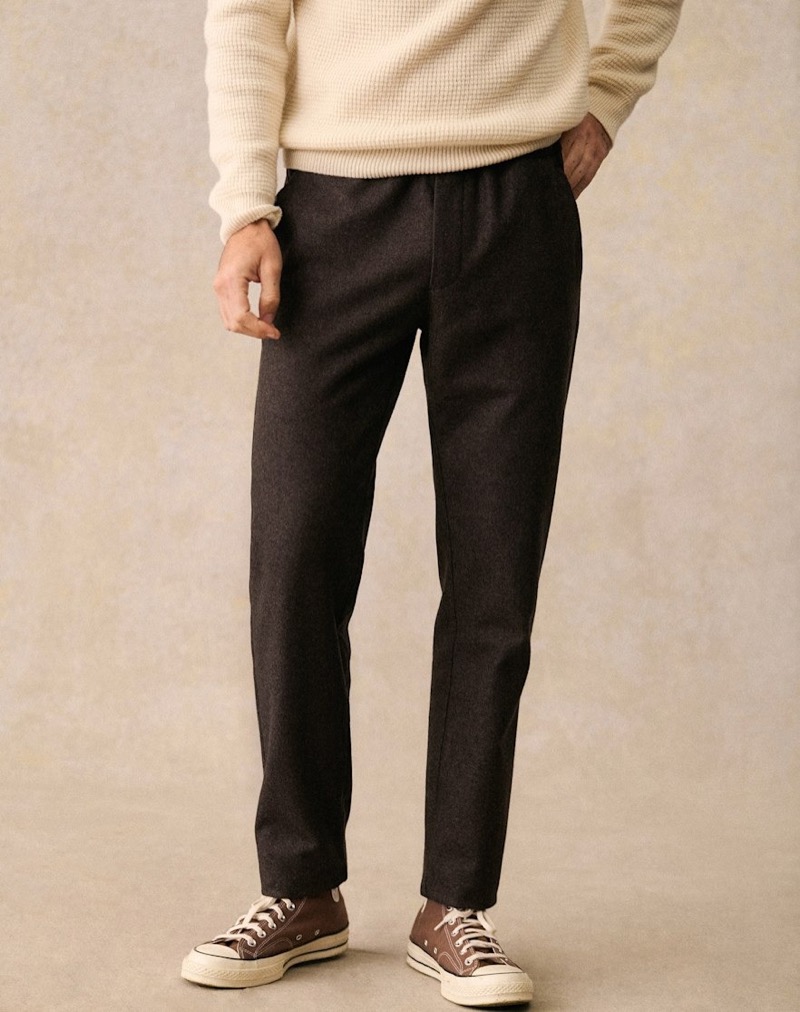
Fabric determines drape. A trouser cut from lightweight wool moves differently than the same cut in a cotton-poly blend, and it will keep its shape through a full day of wear in a way that blend never will. This is the choice men consistently skip. The style decision gets the attention, the fabric gets ignored.
Wool is the starting point for dress trousers worth owning. Medium-weight wool, around 200 to 280 grams per meter, holds a crease, drapes well at the thigh, and breathes better than most cotton at similar weights. Hopsack, flannel, and fresco are the three weaves worth knowing: hopsack for a slightly textured look that resists wrinkling; flannel for cooler months where a heavier hand is appropriate; fresco for warm weather, where the open weave makes a wool trouser a real option in summer.
Cotton works hard in casual trousers, chinos and military cuts especially, but performs poorly at the formal end of the spectrum. It creases unevenly, stretches at the seat over time, and tends to go shiny where it meets a chair. The exception is a high-quality cotton twill in a heavier weight, which has enough body to hold its shape through a full day.
Linen is a summer trouser fabric and a good one when treated on its own terms. It creases by design, and the crease is part of the appeal. The mistake is expecting it to behave like wool.
Linen-cotton blends split the difference. They hold their shape far better than pure linen and feel cooler than straight cotton. For casual summer trousers at a reasonable price, they perform well.
What to avoid: Anything with a high polyester content in a trouser that is meant to look smart. Polyester trousers go shiny, trap heat, and look like what they are within one season of wear.
Best for matching fabric to occasion: wool for dress and smart-casual; cotton for casual and weekend; linen or linen-cotton blends for summer.
What Good Construction Actually Looks Like
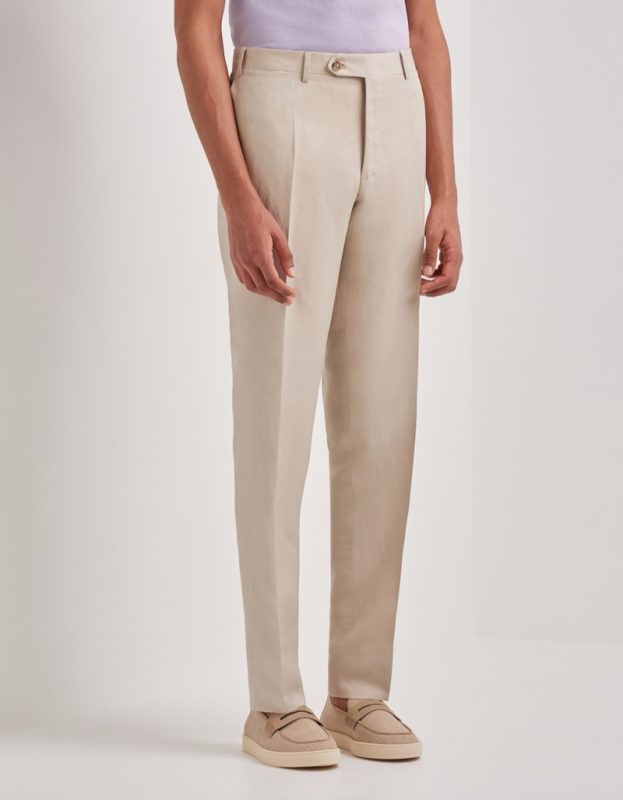
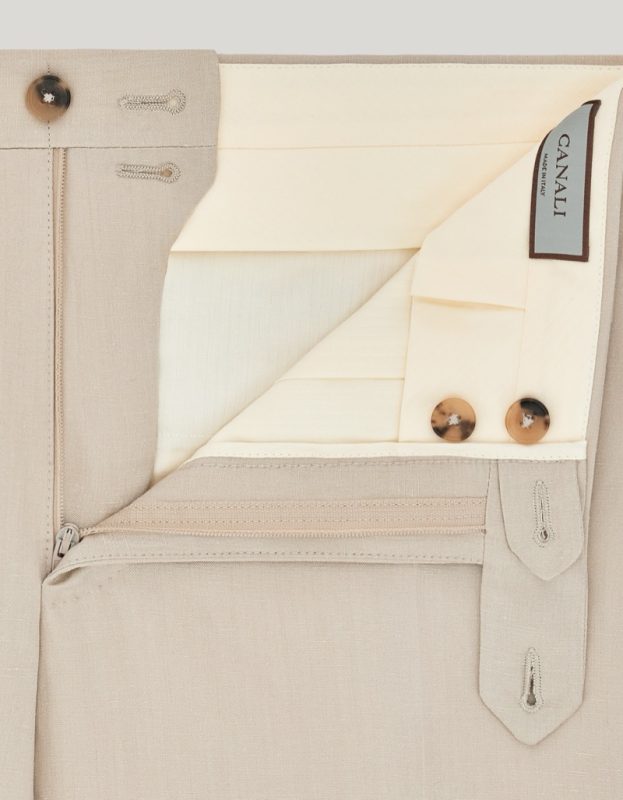
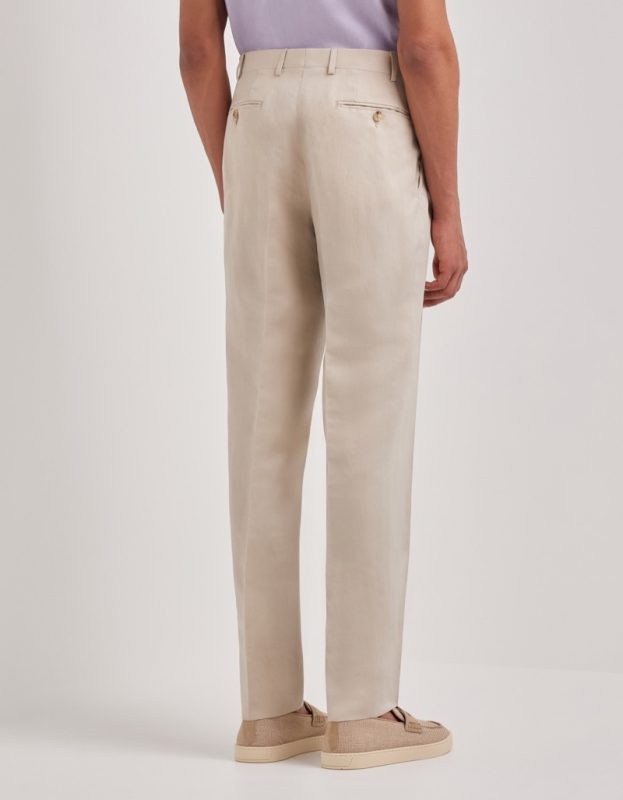
Cut and fabric get all the attention. Construction gets none. This is where the price difference between a $90 trouser and a $350 one actually lives.
Waistband construction is the first thing to check. A fused waistband bonds fabric to interfacing with heat and starts to bubble and warp after dry cleaning. A canvas waistband, or one with a proper sewn-in interlining, holds its shape indefinitely. Pull the fabric away from the interior lining and press your thumb into the back of it. Stiff and slightly hollow means fused. A canvas waistband has a firmer, denser feel throughout.
Belt loops vs side adjusters is a matter of context as much as preference. Belt loops are the versatile choice for daily wear and make the trouser easier to style across occasions. Side adjusters, the small fabric tabs on either side of the waistband, give a cleaner front, allow for small adjustments in fit, and signal a dressier construction. The occasion determines the right choice.
Lining affects comfort and drape. A fully lined trouser hangs with more consistency, slides on easily, and moves cleanly through the day. For dress trousers, full or half lining is worth looking for. Unlined trousers suit linen and summer fabrics, where airflow matters.
Pockets say a great deal about a trouser. A flat-fronted trouser with slit pockets cut at a proper angle will lie flat when worn. Pockets cut straight into the seam create bulk and pull. On dress trousers, jetted pockets at the rear are the appropriate finish. Patch pockets are casual and belong on cotton or linen, not on a wool dress trouser.
Best for identifying good construction: check the waistband from the inside, look for side adjusters on smarter styles, and confirm the pocket angle before buying.
The Trouser Break
The trouser break is the fold of fabric that forms where the hem meets the shoe. It is one of the most consequential fit decisions men make and the one most men treat as an afterthought.
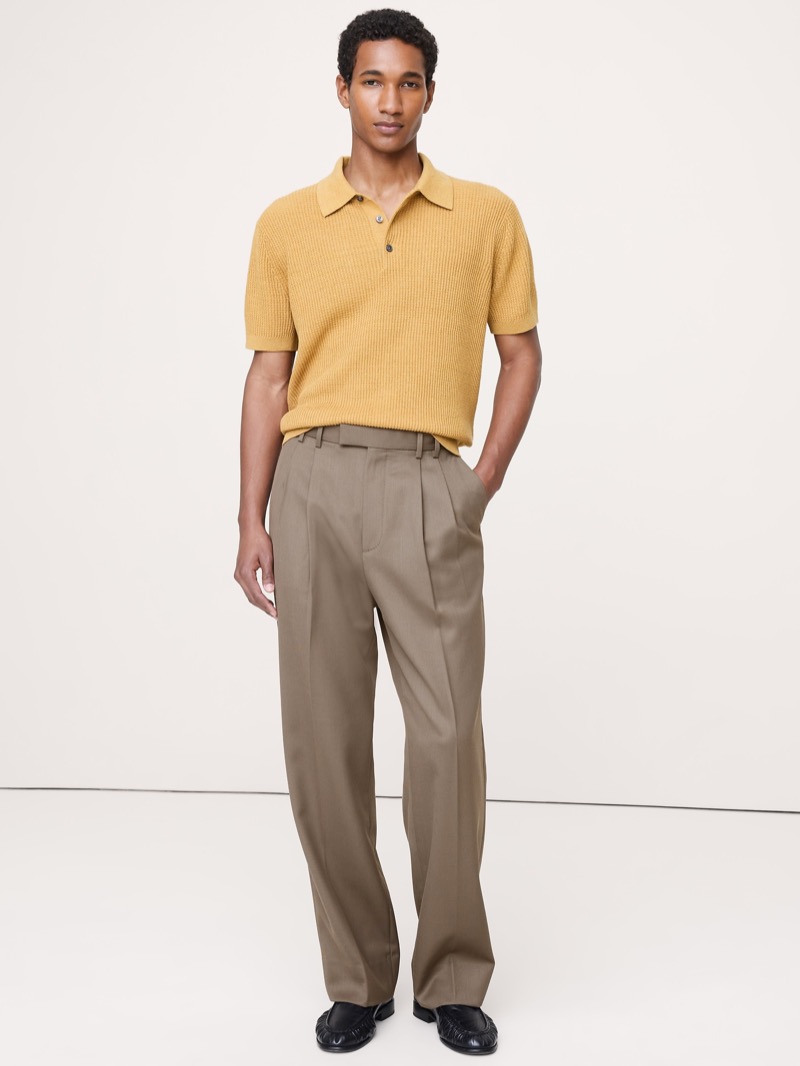
A full break means the hem sits with a significant fold over the top of the shoe, a long, stacked length of fabric pooling at the foot. It was the default from the 1970s through the early 2000s and signals traditional tailoring at its best, or reads as sloppy at its worst. Full break suits a wider, higher-waisted trouser where the extra length is part of the proportional logic.
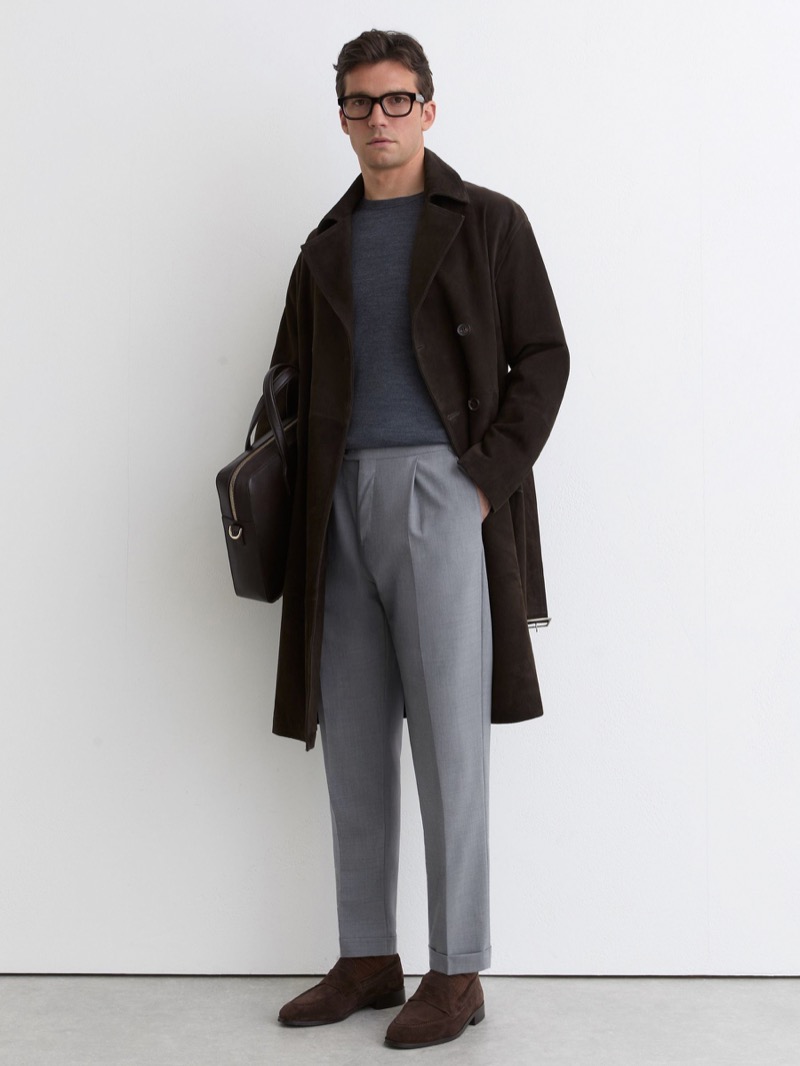
A half break is the most adaptable option. The hem grazes the top of the shoe with a slight fold, enough to show that the trouser has length and not so much that it overwhelms the shoe. It works across almost all trouser styles and body types and is the safest starting point for anyone uncertain where to land.
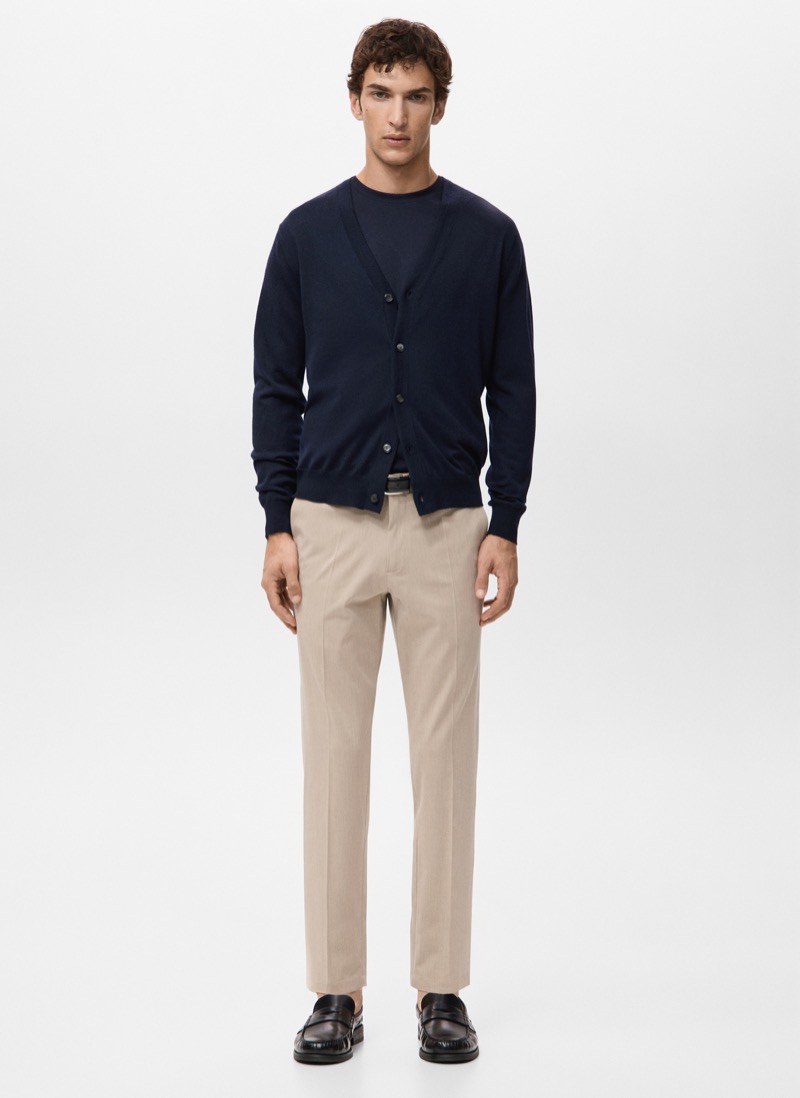
No break means the hem skims the top of the shoe with no fold at all. It requires a clean, tailored fit through the leg to look deliberate. Cropped above the ankle, which is a related but distinct approach, works well with a wider leg or a relaxed silhouette where the ankle becomes part of the visual logic.
The right break depends on the trouser. A wider leg can carry a fuller break. A slim, tapered cut almost always needs a half break or none. Getting this wrong is the fastest way to undercut an otherwise well-fitting pair.
Best for trouser break: half break for most occasions and most body types; full break for wider-leg and high-waisted styles; no break for slim-cut and cropped silhouettes.
Waistband Fit vs Seat Fit
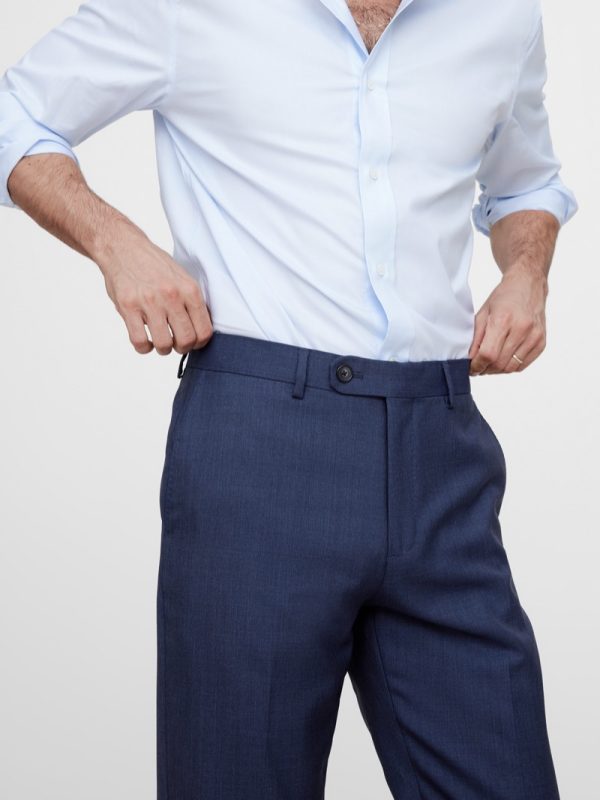
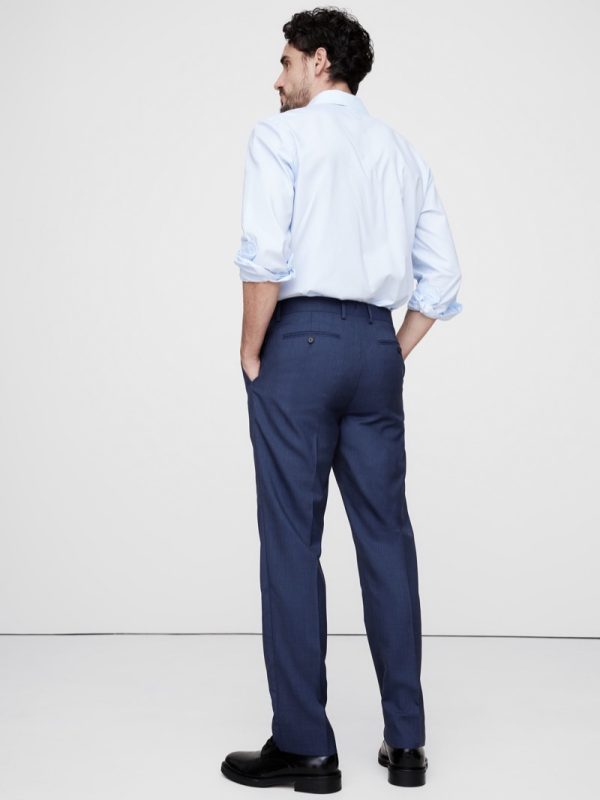
Most men get one of these right and live with the consequences of getting the other wrong.
Waistband fit is what most men think of when they think about trouser fit: does it fasten comfortably, does it sit at the right point on the waist, does it pull or gape. A waistband that fits correctly sits flat against the body with no daylight at the back and no strain at the front.
Seat fit is where most trousers fail. The seat should follow the contour of the body with enough room to sit and move, with no excess fabric pooling at the back. Too much room in the seat creates the draped, saggy look that makes a trouser appear cheap regardless of the fabric. Too little and the seat pulls, creasing the fabric diagonally and restricting movement.
The difficulty is that most off-the-rack trousers are cut for an average proportional relationship between waist and seat. If your waist-to-seat ratio differs from that average, one measurement will always be off. A trouser that fits at the waist may pull across the seat, or a trouser with the correct seat fit may gape at the back of the waistband. A tailor can correct either problem for a modest cost, and it is the single alteration most worth making on a pair of trousers you plan to keep.
Best for seat fit: try trousers seated as well as standing; pull the fabric flat at the back and check for excess; diagonal creasing across the seat indicates a fit issue.
The Finishing Details Worth Paying For
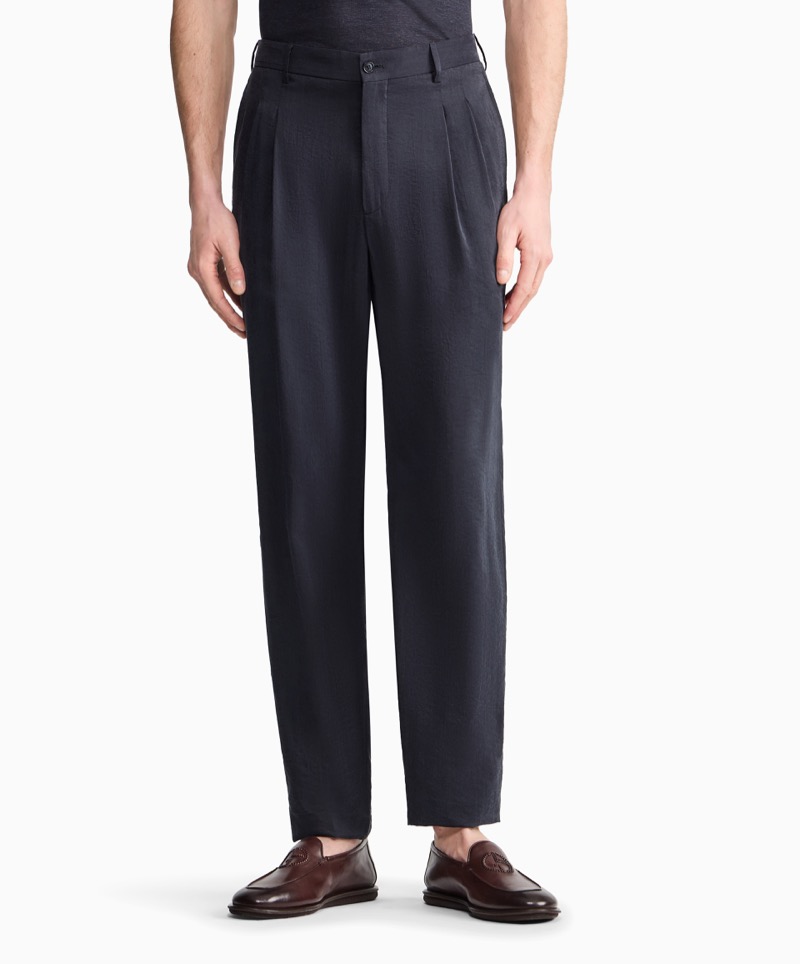
Finishing details do not make a trouser fit well. What they do is signal that the construction throughout is held to the same standard, and in practice, the two things tend to correlate.
Pick-stitching along the waistband or pockets is hand or machine stitching that runs parallel to the edge of the fabric. On dress trousers, it is a traditional detail that tends to indicate a higher level of construction overall.
Horn or corozo buttons on fly fastenings are a step up from plastic. They are denser, feel better in hand, and hold their color and shape over time. On a trouser you intend to keep for years, it is a detail worth looking for.
Proper rear pockets on a dress trouser means jetted pockets with a welt finish, ideally with a button closure. A patch pocket on a dress trouser is always wrong. An open jetted pocket is acceptable.
Cuffs, or turn-ups, add weight at the hem that helps the trouser leg fall cleanly. They suit wider-leg and pleated trousers well because the additional hem weight complements the fuller silhouette. On a slim-cut trouser, cuffs tend to look disproportionate.
Best for finishing details: their presence on any trouser above a certain price point is a reliable indicator of construction quality throughout.
Frequently Asked Questions
What makes a good pair of trousers for men? A good pair of trousers starts with the right fabric for the occasion, usually wool for dress and smart-casual wear, cotton for casual. From there, construction quality determines longevity: a properly interlined waistband, well-cut pockets, and appropriate lining all contribute to how the trouser holds up and holds its shape. Fit through the seat matters as much as fit at the waist.
What is a trouser break and which should I choose? A trouser break is the fold of fabric that forms where the trouser hem meets the top of the shoe. A half break, where the hem grazes the shoe with a slight fold, is the most adaptable option and works across most cuts and body types. A full break suits wider, higher-waisted trousers; no break suits slim and tapered silhouettes.
What is the difference between trousers and dress pants? In American usage, dress pants typically refers to tailored trousers worn for formal or business occasions. Trousers is a broader term that covers everything from casual cotton to formal wool. The distinction is mostly a matter of language; the fabric, construction, and fit are what actually determine whether a pair belongs in a formal or casual context.
What fabric are good trousers made from? Wool is the best fabric for dress trousers for men. It drapes well, holds a crease, and breathes better than most people expect. Cotton twill works well for casual and smart-casual trousers. Linen and linen-cotton blends are the right choice for warm weather. High-polyester blends are the one fabric worth avoiding at almost any price point.
How should trousers fit in the seat? Trousers should fit through the seat with enough room to sit and move comfortably, with no excess fabric hanging at the back of the leg. Diagonal creasing across the seat indicates the fabric is being pulled. Either the seat is too small or the rise is off. Try trousers seated as well as standing before committing to a pair.
How can I tell if a pair of trousers is well-made? Check the waistband first: a fused waistband feels hollow and stiff; a canvas or properly interlined waistband has a denser, more consistent feel throughout. Look at how the pockets are cut: a well-made trouser has pockets at a slight angle that lie flat when worn. Pick-stitching, horn buttons, and jetted rear pockets are reliable indicators of overall construction quality.
Should trousers have cuffs? Cuffs add weight at the hem that helps the trouser leg fall cleanly and hold its drape. They suit wider-leg and pleated trousers particularly well, where the additional weight complements the fuller silhouette. On slim-cut trousers, cuffs tend to look out of proportion.