
Most men own six pairs of shoes and wear three of them. The rest sit in a closet collecting dust because no one explained when each one does its job. The problem is never a lack of options. The problem is knowing what separates one category from another and when each one makes an outfit better instead of just filling space at the bottom of it.
Every shoe type exists because it solves a specific problem. An Oxford solves the suit problem. A loafer solves the smart-but-effortless problem. A white sneaker solves everything else. Once you understand what each type of shoe for men does, the rotation stops being a guessing game and starts being a system.
This is every type of men’s shoe worth knowing, organized by formality, and matched to the outfits and occasions that justify owning them.
The Four Tiers of Men’s Footwear
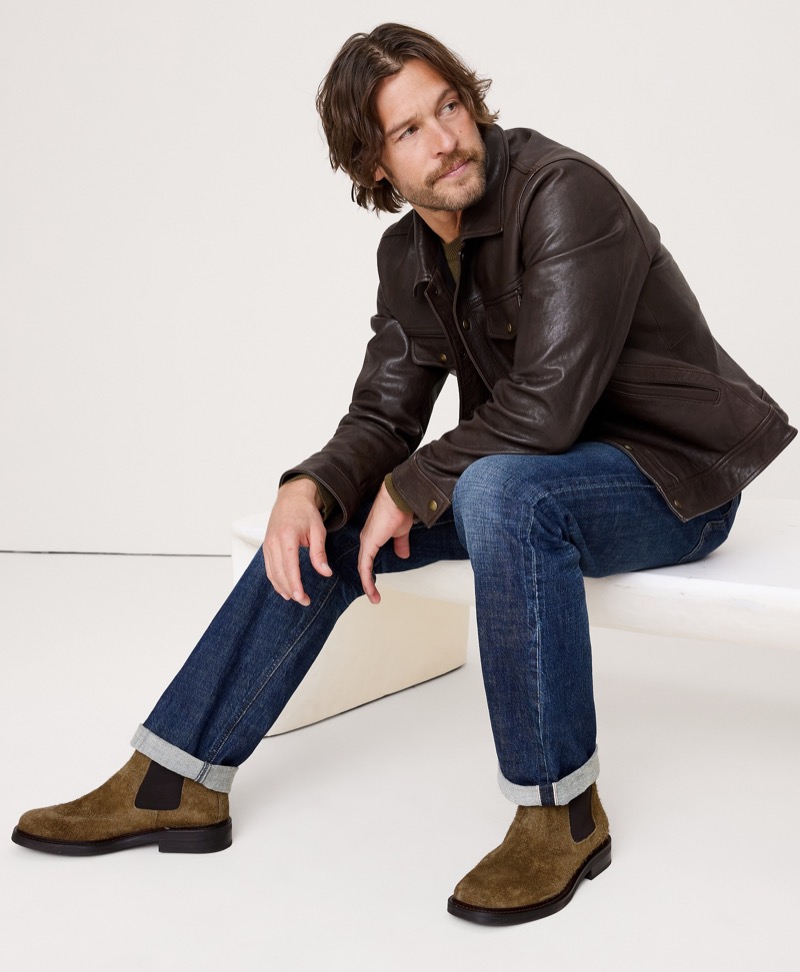
Every shoe a man owns falls into one of four levels. Dress shoes pair with suits and formal tailoring. Smart-casual shoes sit between office and weekend. Casual shoes handle denim, chinos, and streetwear. Seasonal shoes come out when the temperature forces the question.
| Tier | Shoes |
|---|---|
| Dress (Formal) | Oxford, Derby, Brogue, Monk Strap, Dress Boot |
| Smart-Casual | Loafer, Boat Shoe, Driver, Chukka Boot, Chelsea Boot, Desert Boot |
| Casual | White Leather Sneaker, Canvas Sneaker, Running Sneaker, Court Sneaker, High-Top, Wallabee |
| Seasonal/Open | Sandal, Espadrille, Flip-Flop, Clog |
Dress Shoes
What are the different types of dress shoes for men? The main types of men’s dress shoes are the Oxford, the Derby, the brogue, the monk strap, and the dress boot. Each serves a different level of formality and each pairs with tailored clothing in a distinct way.
Oxford
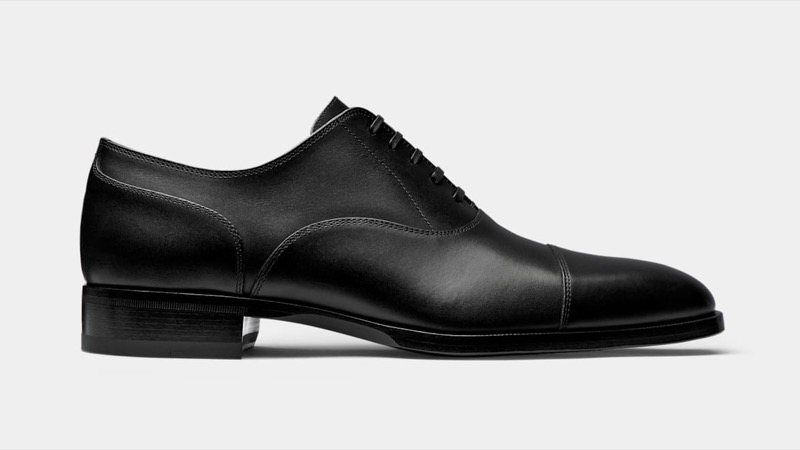
An Oxford is a closed-lacing leather shoe where the eyelet flaps are stitched under the vamp, creating a sleek, seamless silhouette. The closed construction pulls the shoe tight against the foot and produces a cleaner line than any other lace-up. That is why it remains the default for black-tie, weddings, and any setting where a suit is expected.
Black cap-toe for formal. Dark brown for versatility across navy and charcoal tailoring. Oxblood for the man who already owns the first two. If you own one pair of dress shoes, make it a black cap-toe Oxford. Everything else is a second purchase.
Best for suits, black-tie, weddings, business formal, any occasion that demands polish.
Derby
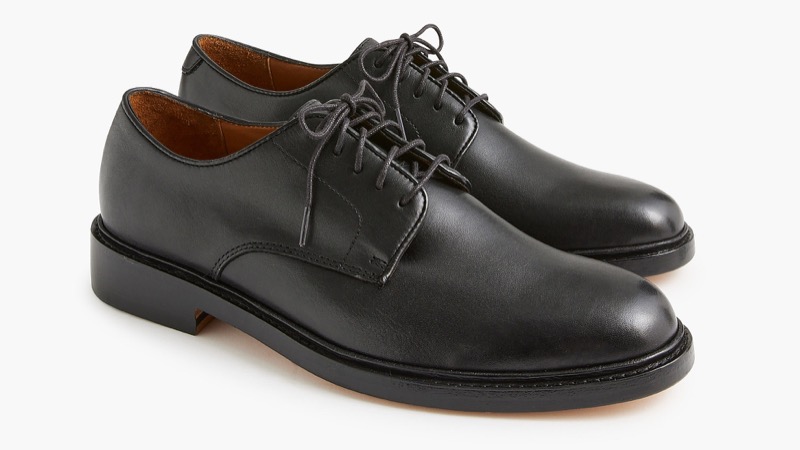
A Derby is an open-lacing leather shoe where the eyelet flaps are stitched on top of the vamp, allowing them to open wider. That wider opening accommodates different foot widths and instep heights comfortably. The open lacing also relaxes the formality by a full grade compared to the Oxford.
Wear a Derby with blazers, chinos, wool trousers, and anything that sits between a full suit and a smart-casual outfit. A Derby is what you reach for when an Oxford feels like overdressing and a loafer feels too relaxed.
Best for business casual, blazer-and-trouser combinations, smart offices, wider feet.
Brogue
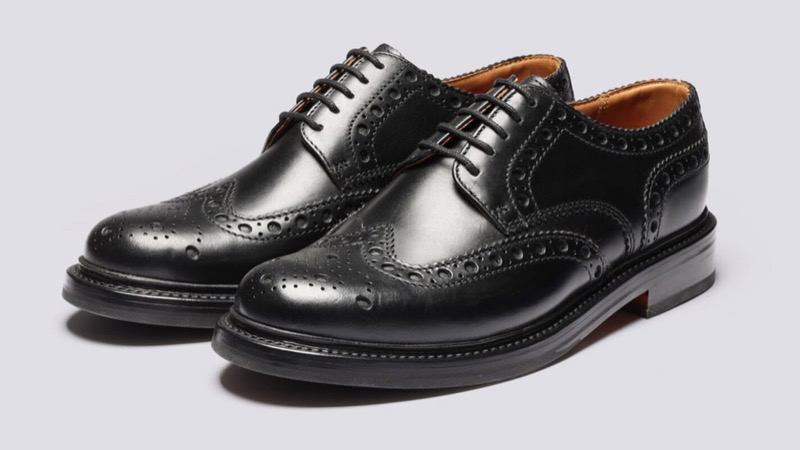
A brogue is a decorative pattern of perforations and serrated edges applied to a shoe’s leather upper. An Oxford can be a brogue. A Derby can be a brogue. The word refers to the punching on the surface, not the shoe’s construction.
The spectrum runs from quarter brogue (minimal perforations at the toe cap seam) through semi-brogue (perforations along the cap with a medallion) to full brogue, also called a wingtip, where the toe cap extends in a W-shape across the entire front of the shoe. The fuller the broguing, the further it drops in formality. Full brogues pair with tweed and textured fabrics. Quarter brogues still work with worsted wool suits.
Best for textured tailoring, tweed, flannel, smart-casual layering, adding visual interest to simple outfits.
Monk Strap
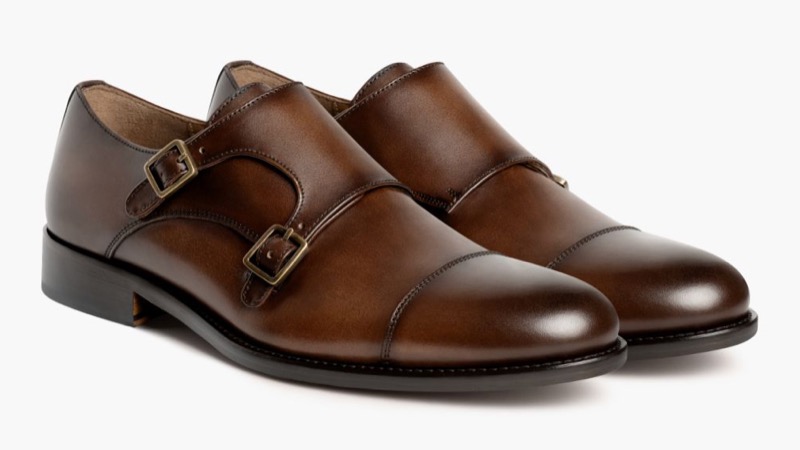
A monk strap is a laceless dress shoe closed by one or two buckled straps across the instep. The single monk is understated. The double monk is a statement piece that signals familiarity with formal footwear beyond the expected options.
The buckle does what laces do on an Oxford, but the visual effect is different. A double monk strap says you understand the rules of formal dressing well enough to choose an unexpected path through them. Wear monk straps with slim wool trousers, cocktail attire, and creative-formal settings where a standard lace-up feels predictable.
Best for cocktail attire, creative-formal settings, slim tailoring, occasions where standing out matters.
Dress Boot
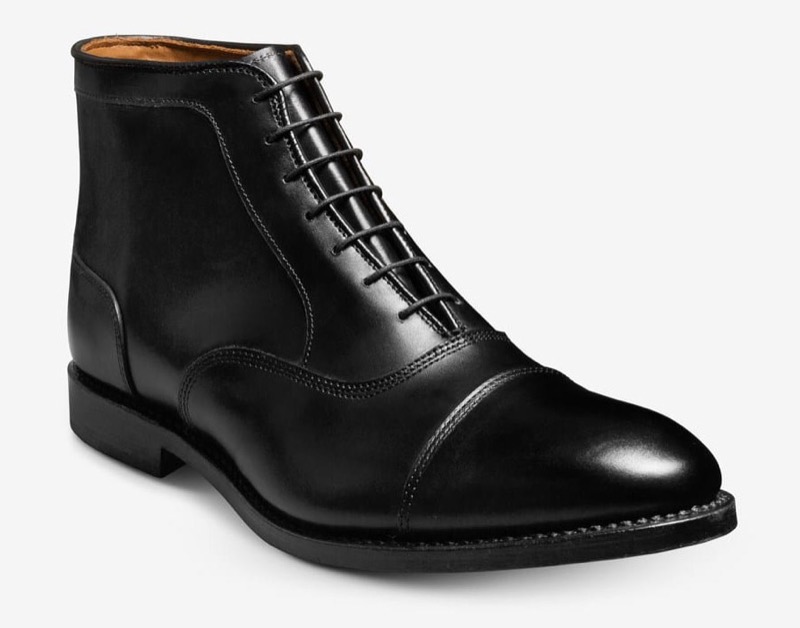
A dress boot is an ankle-height lace-up boot in polished leather, often featuring a cap toe or broguing detail. The higher shaft disappears under a suit trouser break, making it functionally identical to an Oxford from a standing perspective. Sit down, and the boot reveals itself.
Dress boots solve the cold-weather tailoring problem. They add a layer of warmth and ankle coverage that a low-cut Oxford cannot match during fall and winter months. In dark brown or black polished leather, they pair directly with suit trousers and overcoats.
Best for fall and winter tailoring, suits in cold weather, evening events, adding edge to formal outfits.
Smart-Casual Shoes for Men
Loafer
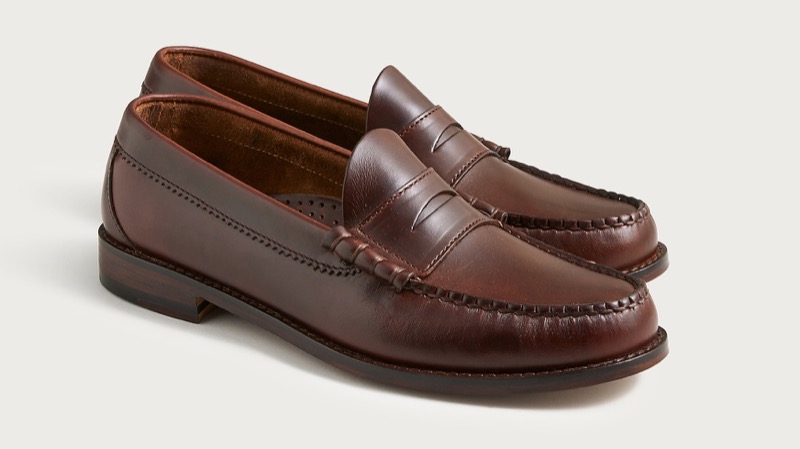
A loafer is a laceless slip-on shoe defined by the ornament on its vamp. The penny loafer has a leather strap with a diamond-shaped cutout. The bit loafer has a metallic bar or chain across the front. The tassel loafer hangs two leather tassels at the throat. The horsebit loafer uses a gold-toned metal snaffle, the Gucci signature since 1953.
Of all the types of footwear in this guide, the loafer covers the widest range of formality. A dark brown cordovan penny loafer with wool trousers handles a business lunch. The same shoe sockless with rolled chinos handles a patio dinner. A bit loafer in black leather with a gold bar steps into evening territory. A beige suede tassel loafer stays firmly in weekend mode. Loafers pair with smart shorts, linen pants, and summer tailoring. No socks with shorts or rolled hems. Thin no-shows with trousers.
A penny loafer in dark brown is the most useful shoe a man can own after a white sneaker.
Best for chinos, linen trousers, smart shorts, summer tailoring, business casual, sockless warm-weather wear.
Boat Shoe
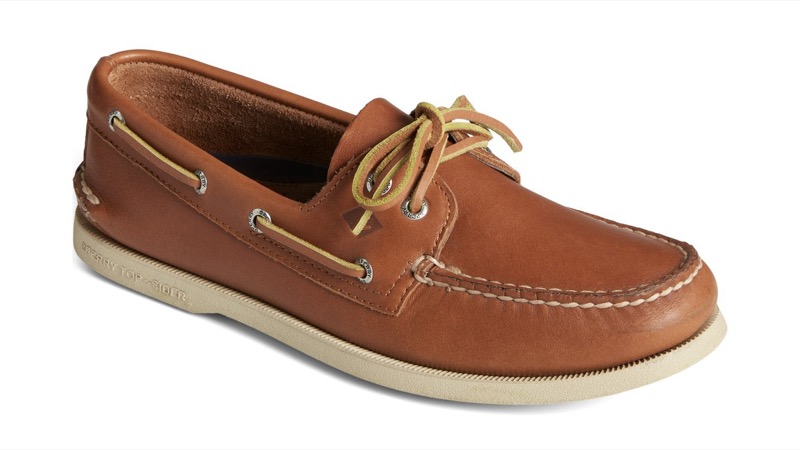
A boat shoe is a moccasin-construction leather shoe with a siped rubber sole and a 360-degree lace system threaded through the collar. The sole uses horizontal cuts to grip wet surfaces. The lacing runs around the entire opening for a snug, adjustable fit.
Boat shoes improve with age. A scuffed, worn-in pair with patina looks correct in a way that a brand-new pair never will. Wear them with shorts, chinos, and anything that suggests proximity to water or a weekend pace. If they look pristine, you have not owned them long enough.
Best for summer weekends, shorts, chinos, coastal settings, casual warm-weather outfits.
Driving Shoe
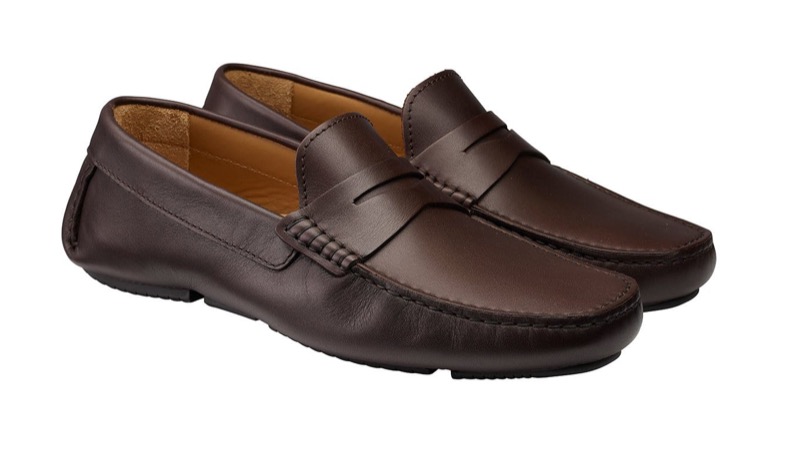
A driving shoe is a soft-soled slip-on with small rubber nubs on the sole that extend up and over the heel. That extended sole protects the leather where the heel rests against a car’s floor mat. The construction is lightweight, flexible, and unstructured.
Drivers exist for low-mileage days. A quick errand, a short walk to dinner, a day spent mostly off your feet. The sole wears through fast on pavement because it was designed for pedals. Treat them as a warm-weather slip-on for days that demand comfort over durability.
Best for errands, road trips, short walks, summer slip-on wear, days spent mostly seated.
Chukka Boot
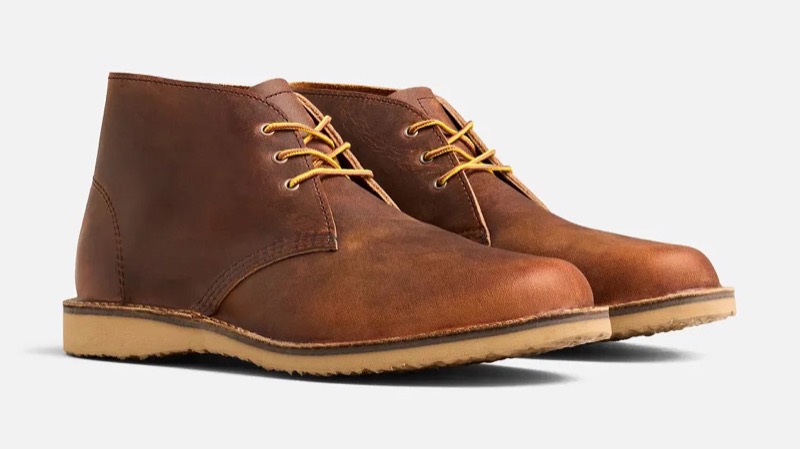
A chukka boot is an ankle-height boot with two or three eyelets and a clean, minimal profile. Most chukkas come in suede with either a crepe sole or a thin leather sole. The two-eyelet lacing system gives the boot a streamlined shape that sits between casual and dressed-up depending on the material and color.
Sand suede with dark denim is the smartest casual outfit a man can assemble in two minutes. Tobacco suede with charcoal wool trousers handles a smart office. The chukka boot adapts because its silhouette is simple enough to borrow formality from the pants above it. A crepe sole pushes it casual. A leather sole pulls it smart. The same shoe shape works across both contexts depending on what you pair underneath.
Best for jeans, chinos, smart-casual offices, date nights, three-season wear.
Chelsea Boot
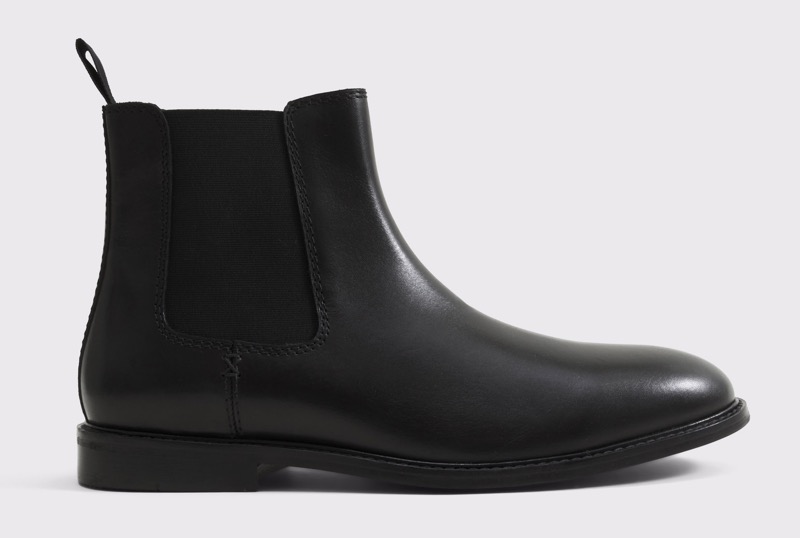
A Chelsea boot is a laceless ankle boot with elastic side panels that allow it to slip on and off. The elastic gusset eliminates hardware entirely, giving the boot a smooth, uninterrupted profile from every angle.
In polished leather, a Chelsea boot pairs with slim suits and tailored trousers. In suede, it drops a tier and handles denim and casual chinos. The silhouette is slim by nature, so it works best with tapered or straight-leg pants that do not bunch at the ankle. A Chelsea boot does what a dress shoe does with half the effort and twice the visual impact.
Best for slim trousers, suits (leather), jeans (suede), minimalist outfits, quick-on/quick-off convenience.
Desert Boot
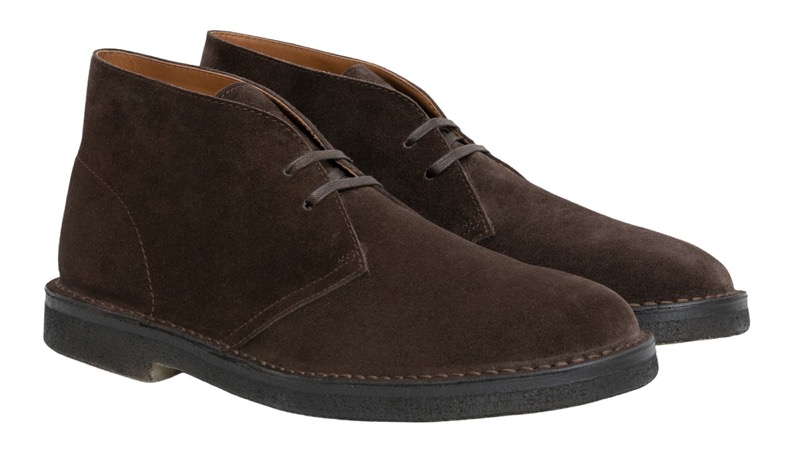
A desert boot is a specific subset of the chukka with two eyelets, an unlined upper, and a natural crepe rubber sole in a distinctive gum color. Nathan Clark designed the original after seeing officers wearing similar boots in Cairo during World War II, and Clarks introduced it in 1950. The silhouette has remained unchanged for over seventy years because nothing about it needs updating.
Sand and tobacco suede are the two colors that work across the widest range of outfits. The crepe sole adds a casual warmth to whatever sits above it. Desert boots pair with denim, chinos, casual cotton trousers, and anything that benefits from a shoe with texture and history on its side.
Best for jeans, chinos, casual Friday, three-season everyday wear, relaxed smart-casual outfits.
Casual Shoes for Men
White Leather Sneaker
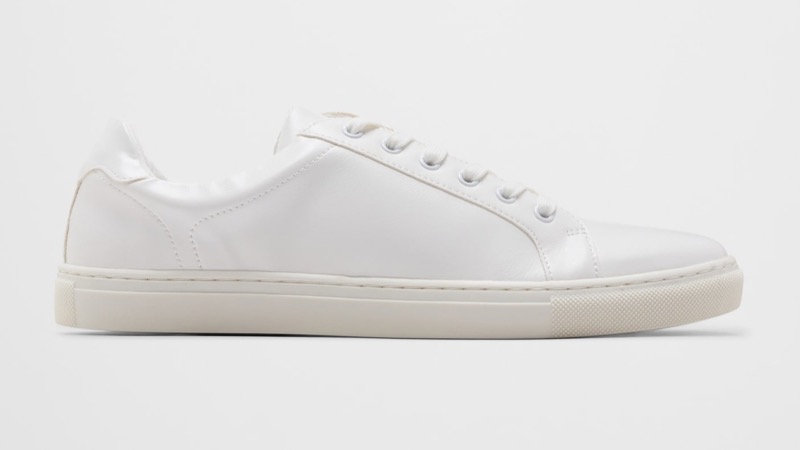
A white leather sneaker is a minimalist low-top with a clean leather upper and minimal visible branding. The silhouette is flat, simple, and universally compatible with everything below suit-level formality.
White leather sneakers are the single most versatile shoe in any rotation. They dress up denim. They dress down chinos. They make a navy blazer and gray trousers look modern instead of corporate. A pair from Common Projects, Koio, or Oliver Cabell runs $150 to $400. A pair from Adidas Stan Smith or Greats does the same job at $80 to $150. The visual effect is identical from three feet away. The one rule is maintenance. Yellowed midsoles and visible dirt pull an entire outfit down a full grade. Keep them clean or replace them when they yellow.
Best for everything below a suit, denim, chinos, smart-casual outfits, year-round versatility.
Canvas Skate Sneaker
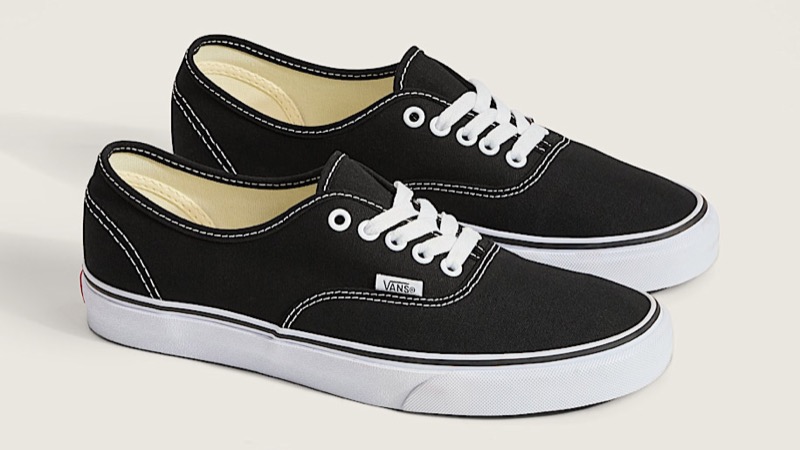
A canvas skate sneaker is a low-profile lace-up with a canvas upper and a vulcanized rubber sole. Vans Authentics, Converse Chuck Taylors, and similar silhouettes define the category. The construction is lightweight and breathable, and the sole has a flat, grippy profile.
Canvas sneakers look right when they show wear. Pristine white canvas looks like the box was opened an hour ago. A pair with faded color and softened edges signals that the shoes are part of an actual wardrobe, not a display. Wear them with denim shorts, casual chinos, and anything that benefits from a laid-back baseline.
Best for denim shorts, casual chinos, streetwear, summer wear, relaxed everyday outfits.
Running Sneaker
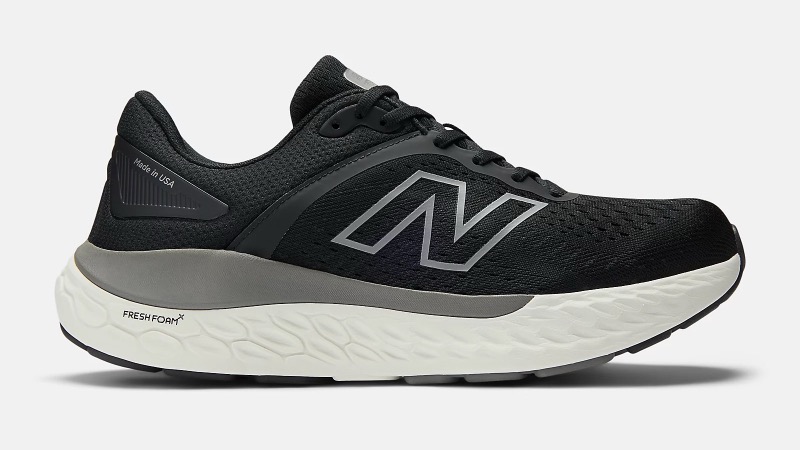
A running sneaker in the fashion context is a chunky retro-running silhouette with a layered upper of mesh, suede, and synthetic panels over an oversized midsole. New Balance 990s, ASICS Gel series, and similar models define the modern version of this category.
The proportions are bulky by design. The oversized midsole and technical upper create a visual weight that works with relaxed-fit pants, sweat shorts, and fleece. Gray-and-white tones keep the shoe versatile. Bold colorways narrow the outfit options to whatever matches them. Stick to neutral palettes for your first pair. Save the burgundy-and-teal colorway for after you have proven you will wear them three days a week.
Best for athleisure, sweat shorts, relaxed-fit pants, streetwear, casual everyday wear.
Court Sneaker
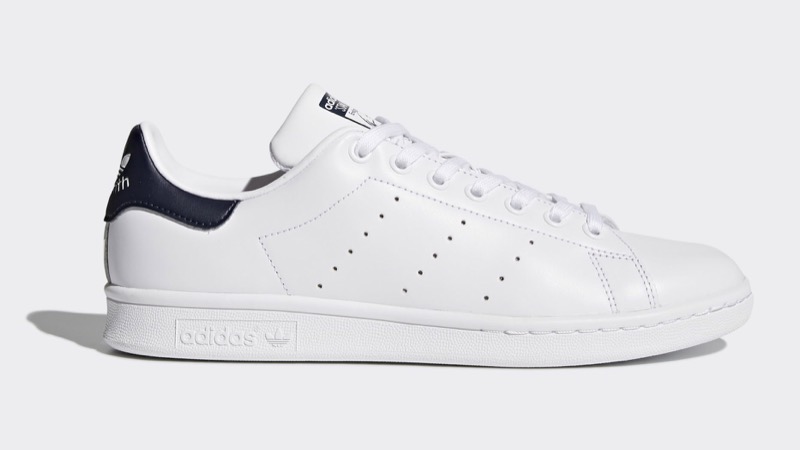
A court sneaker is a low-profile leather or suede sneaker with a flat sole, originally designed for tennis. The Adidas Stan Smith, Adidas Gazelle, and Nike Killshot represent the category at different price points. The profile is slimmer than a running sneaker and dressier than canvas.
Court sneakers occupy the middle ground between a white leather minimalist shoe and a casual canvas lace-up. They dress up further than Vans while staying relaxed next to a Common Projects Achilles. When the restaurant has tablecloths and you still want sneakers, court sneakers are the answer. Buy them in white or off-white. Anything bolder looks like you are still wearing your tennis kit.
Best for chinos, linen, smart-casual dinners, the gap between casual sneakers and minimalist leather.
High-Top Sneaker
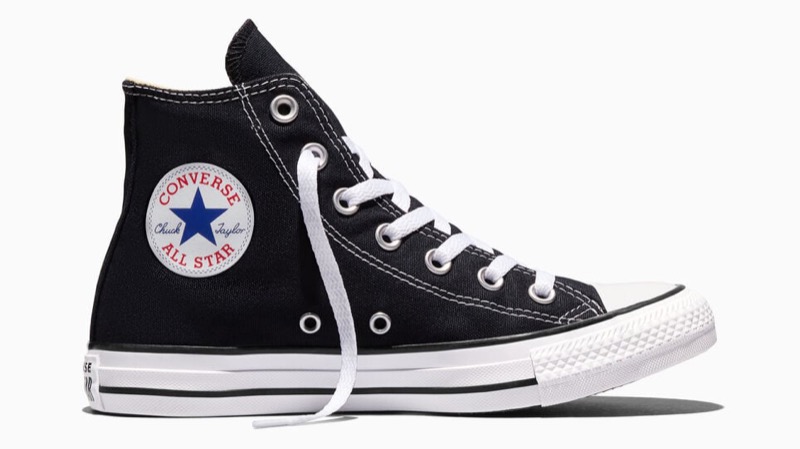
A high-top sneaker is a lace-up with an extended collar that covers the ankle. Converse Chuck Taylor Hi, Nike Air Force 1 High, and Jordan 1s represent different expressions of the same concept. The higher collar creates a visual break that shortens the visible leg line.
High-tops work with jeans, joggers, and streetwear silhouettes where the shoe is the focal point of the outfit. They demand commitment. The extended collar shortens the visible leg, which means slim or tapered pants keep the proportions balanced. Wide-leg jeans with high-tops is a 1990s skater callback that only works if you are committing to the full reference. High-tops with shorts requires total confidence in the proportions. If you are second-guessing it, wear low-tops.
Best for streetwear, jeans, joggers, casual fits where the shoe is the focal point.
Wallabee
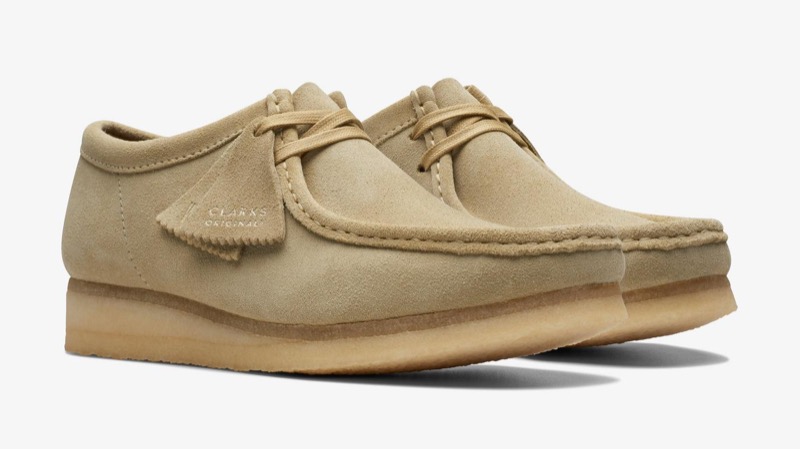
A Wallabee is a moc-toe shoe with a thick plantation crepe sole and a distinctive rounded toe box. Clarks owns the original, and Paraboot’s Michael offers a French-made alternative at a higher price point. The silhouette is chunkier than a desert boot and sits a tier below a loafer in formality.
Wallabees exist in the space between smart-casual and casual. They dress up cargo pants and dress down chinos simultaneously. The thick crepe sole and rounded toe create a silhouette that works with relaxed-fit pants and transitional weather layering. They are the best hybrid shoe for in-between seasons and in-between dress codes.
Best for cargo pants, relaxed chinos, jeans, transitional weather, smart-casual dressing with texture.
Seasonal and Open Shoes for Men
Sandal
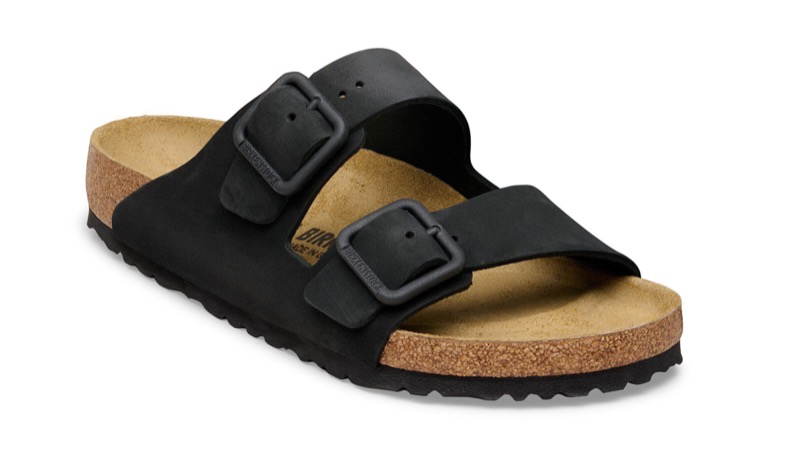
A sandal is open-toe footwear with straps across the foot and no enclosed upper. The category spans leather two-strap sandals (Birkenstock Arizona), sport sandals with nylon webbing (Teva, Chaco), caged fisherman sandals in leather, and single-band slides.
Material dictates context. Suede and leather pairs go with tailored shorts and linen. Nylon sport straps match hiking shorts and board shorts. The rule is temperature. Sandals come out above 85 degrees and stay in rotation until the weather forces closed-toe options back into play.
Best for hot weather, linen, shorts, beach towns, any setting above 85 degrees.
Espadrille
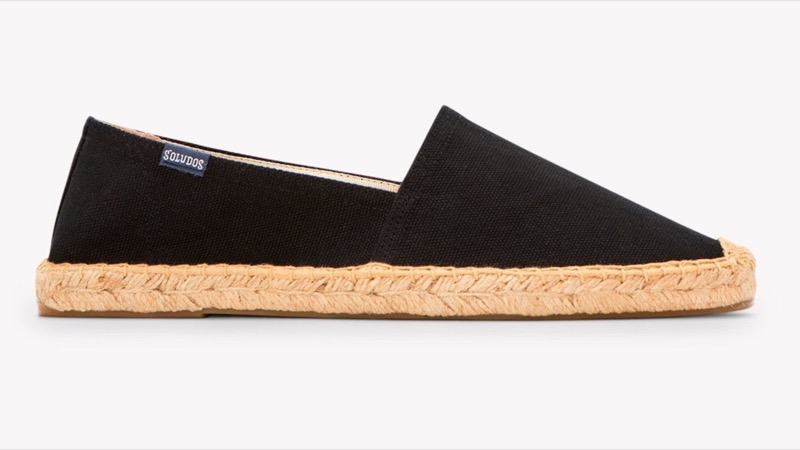
An espadrille is a canvas or suede slip-on with a jute-wrapped rope midsole. The woven jute sole is the defining feature. It signals warmth, coast, and leisure in a way that rubber and leather soles cannot replicate.
Dark brown suede espadrilles with stone linen shorts is Mediterranean dressing done correctly. The shoe works for beach lunches, patio dinners, and any occasion where the setting is warm and the dress code is relaxed but not sloppy. Espadrilles wear out in one or two seasons. Treat them as seasonal footwear and replace them when the jute breaks down.
Best for beach lunches, patio dinners, Mediterranean vacations, warm-weather shorts outfits, linen.
Flip-Flop
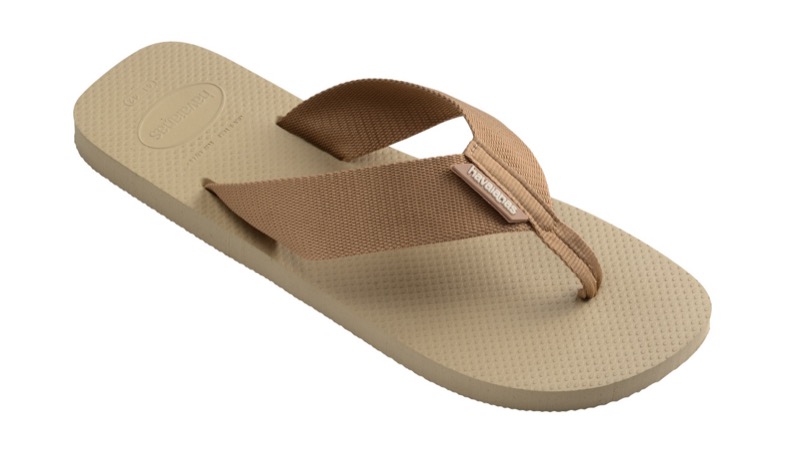
A flip-flop is the simplest sandal form. A flat sole with a Y-shaped strap that passes between the first and second toes. The construction is minimal and the formality ceiling is low.
Leather flip-flops pass for dinner by the water. Rubber pairs stay at the pool. The distinction matters. A thick leather flip-flop in brown or tan extends into casual beach-town settings where a full sandal feels overdressed. A neon rubber pair belongs poolside and nowhere else. The range between those two is wider than most men realize.
Best for pool, beach, deck, five-minute errands, resort wear, low-stakes warm-weather days.
Clog
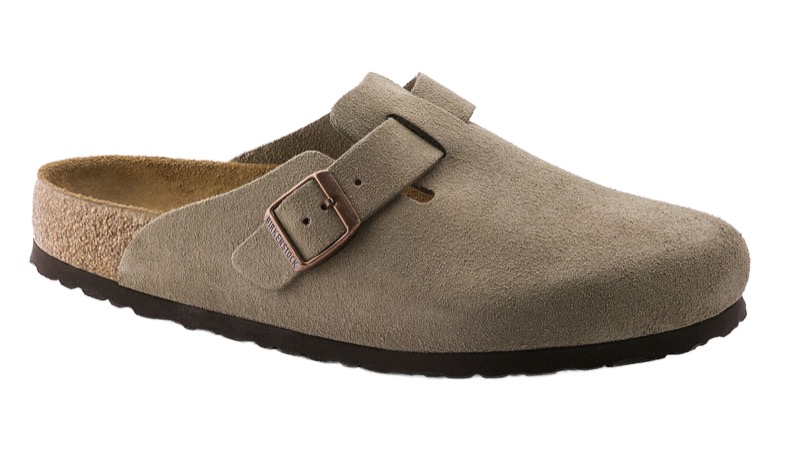
A clog is a closed-toe slip-on with an open back, typically in suede or wool felt with a cork or rubber sole. The Birkenstock Boston in suede and Glerups in wool felt represent the two dominant expressions. The silhouette is bulky, relaxed, and unambiguously casual.
Clogs handle coffee runs, grocery errands, and backyard wear. They push an outfit all the way to the low-effort end of the spectrum. That is their purpose. A restaurant or a bar calls for something else. Clogs exist for the hours between waking up and deciding what the day requires.
Best for errands, coffee runs, backyard wear, low-stakes mornings, house-to-street transitions.
How to Build a Shoe Rotation
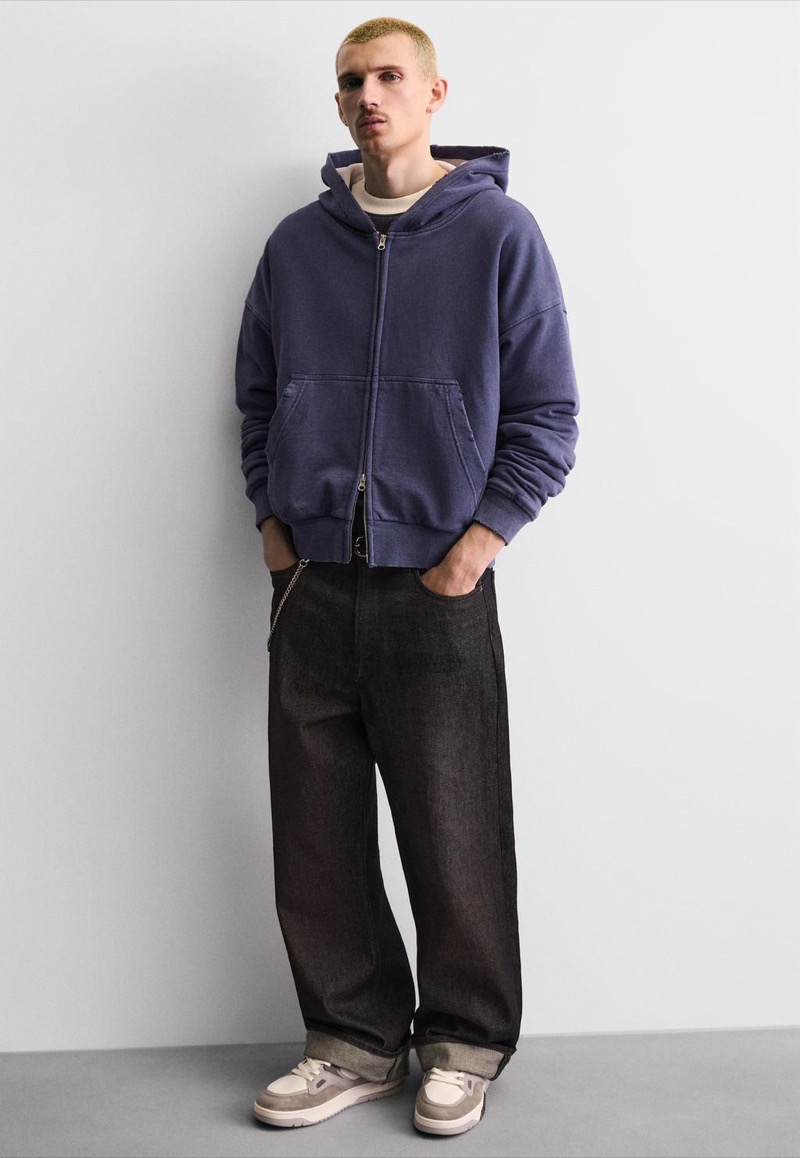
Start with five. A black cap-toe Oxford, a brown penny loafer, a white leather sneaker, a suede chukka boot, and a leather sandal. Those five cover formal events, smart-casual dinners, everyday wear, transitional weather, and hot-weather settings. Every other shoe is an expansion from this base. If you can only afford to buy quality in one category first, make it the Oxford. A cheap Oxford looks cheap. A cheap white sneaker looks fine for the six months before you replace it.
Add by lifestyle. A man in an office five days a week needs a second dress shoe (a Derby in brown) and a Chelsea boot for winter tailoring. A man who works remotely needs another casual sneaker and a second pair of warm-weather shoes before he needs a second dress shoe. Let your actual schedule determine the next purchase.
Rotate by season. Boots enter the rotation in October. Sandals and espadrilles leave it. In April, the swap reverses. Shoes that sit unworn for six consecutive months signal a gap in logic, not a gap in the wardrobe. If you buy a new type, retire the one that has not left the closet since the last season change. Store off-season shoes with cedar shoe trees and give leather a conditioning treatment before putting them away. They will be ready when the weather brings them back.
Upgrade by material. Once the rotation is complete in silhouette, improve what you own. A leather-soled loafer replaces a rubber-soled one. A Goodyear-welted Oxford replaces a cemented one. A full-grain leather sneaker replaces a synthetic. The shape stays the same. The quality goes up. A well-made shoe resoled twice outlasts three cheap pairs bought in sequence. The investment shows in fit, aging, and long-term cost per wear.
Frequently Asked Questions
What are the most essential types of shoes a man should own?
Five shoes cover every common scenario. A black cap-toe Oxford handles weddings, funerals, and formal business. A brown penny loafer handles smart-casual across every season. A white leather sneaker handles everything below business casual. A suede chukka boot handles fall and winter casual. A sandal handles summer heat. Every other pair expands from those five.
What is the difference between an Oxford and a Derby?
The difference is the lacing system. An Oxford has closed lacing where the eyelet flaps are stitched under the vamp, creating a tight, sleek profile. A Derby has open lacing where the flaps sit on top of the vamp and can spread apart. That open construction drops the formality a grade while accommodating wider feet and higher insteps.
How many pairs of shoes should a man own?
Somewhere between five and twelve covers most men well. Fewer than five means gaps in the rotation for specific occasions or weather. More than twelve usually means redundancy. The right number depends on climate, job, and lifestyle. A man in a warm city who works from home needs fewer shoes than a man in a four-season city with a business-casual office.
Can you wear dress shoes with jeans?
Yes, with limits. A Derby in brown leather or suede works naturally with dark denim and a sport coat. Monk straps pair well with slim dark jeans and a blazer. A polished black Oxford, however, clashes with denim in most settings because the formality gap is too wide. Match the dress shoe’s level to the darkness and fit of the denim. The slimmer and darker the jean, the dressier the shoe it tolerates.
What shoes go with a suit?
Oxfords are the default for formal suits. Derbies work for business casual and relaxed tailoring. Monk straps handle cocktail attire and fashion-forward suiting. Chelsea boots in polished leather pair with slim-cut suits in colder months. Loafers in leather work with unstructured summer suits and linen blazers. The rule is that the shoe’s formality should match or slightly exceed the suit’s formality.
What shoes go best with jeans?
White leather sneakers for everyday. Brown suede chukka boots for smart-casual. Canvas skate sneakers for streetwear. A brown leather Derby for dressed-up denim. Match the shoe’s formality to the darkness and fit of the jean. Slim dark denim tolerates dressier shoes like monk straps and Chelsea boots. Light-wash relaxed denim wants casual footwear like canvas sneakers and Wallabees.
What types of shoes are best for summer?
Loafers (sockless with shorts or linen), espadrilles, boat shoes, leather sandals, and white sneakers cover every summer scenario. Canvas sneakers handle casual days. Driving shoes work for short-distance errands. Avoid heavy leather, thick soles, and ankle coverage when the temperature makes them impractical.