
Summer dressing often goes wrong at the fabric stage, not the outfit stage. A man can put together a perfectly reasonable combination of pieces and still spend the afternoon feeling like he’s wearing a plastic bag, because the outfit was right and the material was wrong. The reverse is equally true: get the fabric right and a simple pair of trousers and a shirt will be comfortable in heat all day.
Most men default to cotton. It is a reasonable starting point in some forms, and a poor one in others. There are better options that most men have never tried.
What Fabrics to Wear in the Heat
Linen
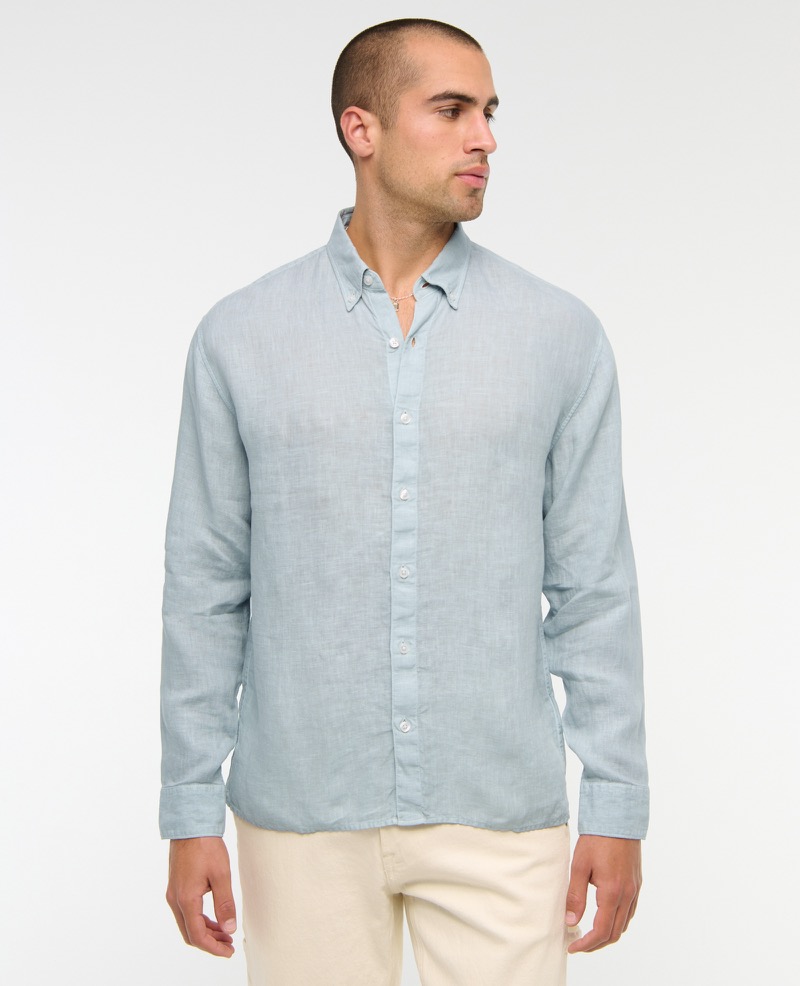
Linen is the best summer fabric a man can wear. That’s not a preference; it follows from what the fiber actually does. Linen is made from flax, which produces a hollow fiber that moves heat away from the skin and allows air to circulate through the weave. It absorbs moisture quickly and dries faster than cotton, which is the combination that makes a fabric feel cool over the course of a full day. That performance is why a linen outfit holds up in heat that flattens everything else.
The crease is the thing most men resist about linen, and it’s the wrong thing to resist. Linen creases because the fiber is stiff and has little elasticity. That stiffness is also why it breathes so well. The crease is not a sign of poor quality or poor care; it is how the fabric behaves, and in summer it looks casual and intended.
The key is to embrace it on the right pieces. How to wear linen trousers is its own conversation, but linen shirts and linen shorts follow the same logic, and all three carry a natural crease well. A linen blazer is a different case. A structured cut holds its shape and works well at smarter occasions. Where linen falls short: very formal events where a sharp, pressed appearance is expected throughout the evening, and cold or transitional weather, where the fiber offers little insulation.
Best for casual warm-weather dressing, travel, beach occasions, summer smart-casual, and any situation where comfort over a full day matters.
Cotton (The Distinctions That Matter)
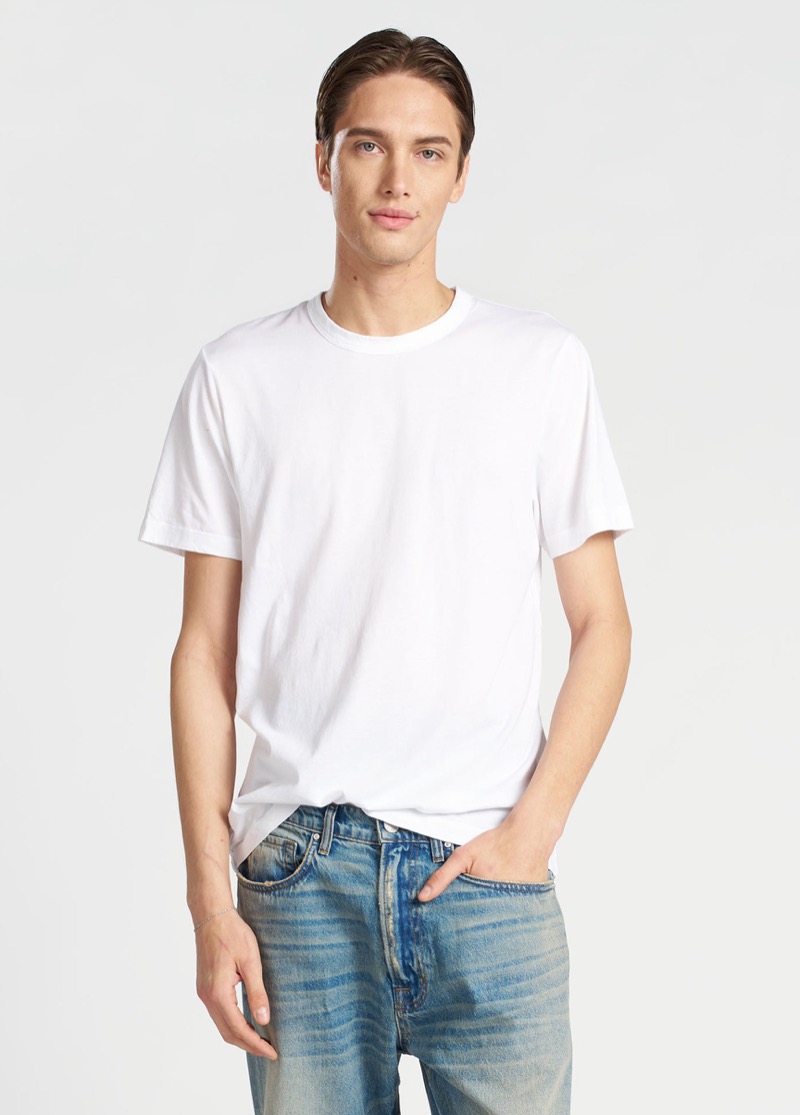
Cotton is the default summer fabric for most men, but treating it as a single category is the mistake. Cotton is a broad term that covers weaves with very different performance characteristics in heat. The cotton in a heavy Oxford cloth shirt is not doing the same job as the cotton in a poplin or a seersucker, and choosing between them matters.
Poplin is the lightest common cotton weave. Tight, smooth, and close in construction, it looks sharp and works well in formal or business contexts where linen would feel too casual.
Seersucker is the cotton weave designed specifically for heat. The puckered surface, created by weaving some threads under tension and others slack, lifts the fabric away from the skin and creates channels for airflow. A seersucker shirt or suit is noticeably cooler than an equivalent poplin or twill. It is also inherently casual, and that needs to be part of the calculation.
Oxford cloth is heavier and warmer than both. Men reach for it out of habit; it is not built for warm weather.
Plain cotton twill and canvas are both too heavy for summer in most climates. They hold heat and take a long time to dry when they absorb sweat.
Supima cotton is worth knowing as a step up from standard cotton. Supima is a long-staple American-grown cotton with a finer, softer fiber than commodity cotton. It breathes better, holds its shape longer, and feels noticeably better against the skin. For T-shirts, polos, and casual shirts where cotton is the right call, Supima is the version worth buying.
Best for: poplin and seersucker in summer heat; Oxford cloth reserved for cooler summer days or evening wear when temperatures drop.
Linen-Cotton Blends
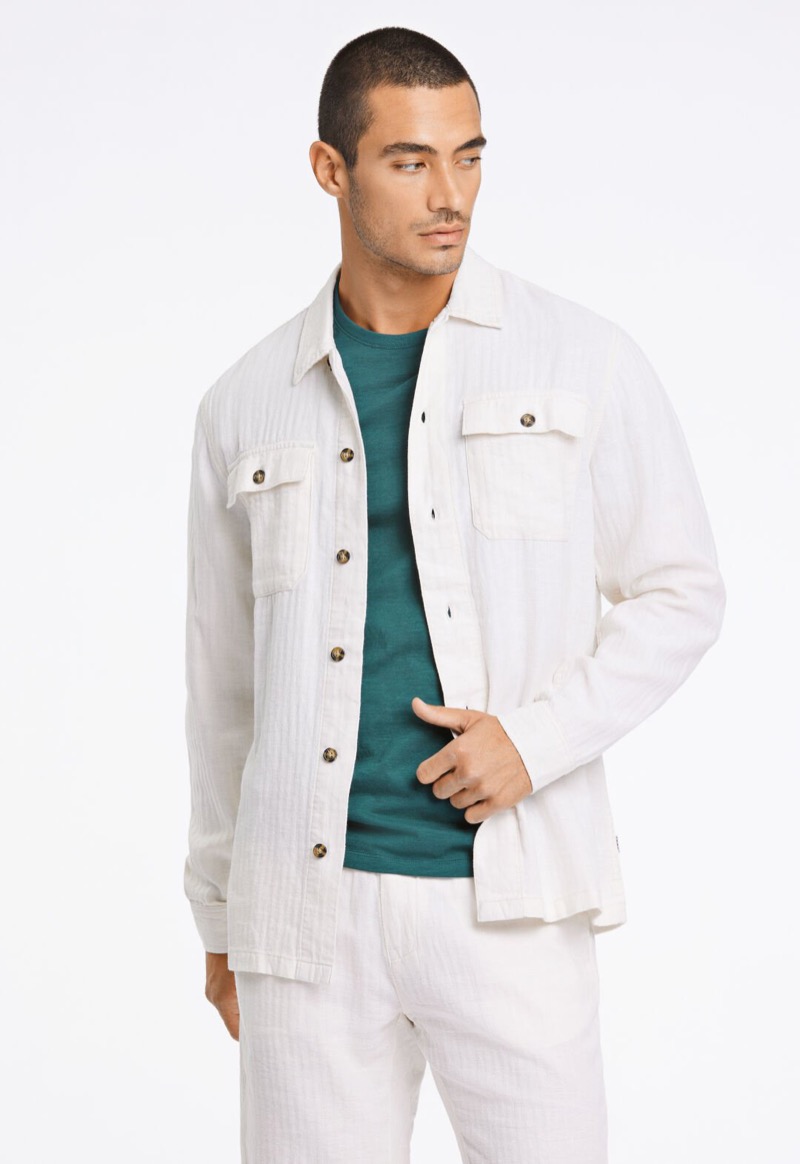
A linen-cotton blend is a fabric that combines flax and cotton fibers, typically in a ratio somewhere between 45/55 and 55/45. It performs better in heat than straight cotton and holds its shape and resists creasing far better than pure linen.
For men who want the breathability of linen in a fabric that holds its shape through a longer day, a blend is a practical answer. It works across a wider range of situations than pure linen: smart-casual dinners, travel days where presentation matters, or workplaces that expect a certain level of polish.
The best linen-cotton blends tend to sit toward the linen-heavy end of the ratio. A fabric that is 55% linen will perform noticeably better in heat than one that is 55% cotton, even if both share the same “linen blend” label.
Best for smart-casual summer occasions, travel, and men who want the benefits of linen in a fabric that holds its shape through a longer day.
Lightweight Wool
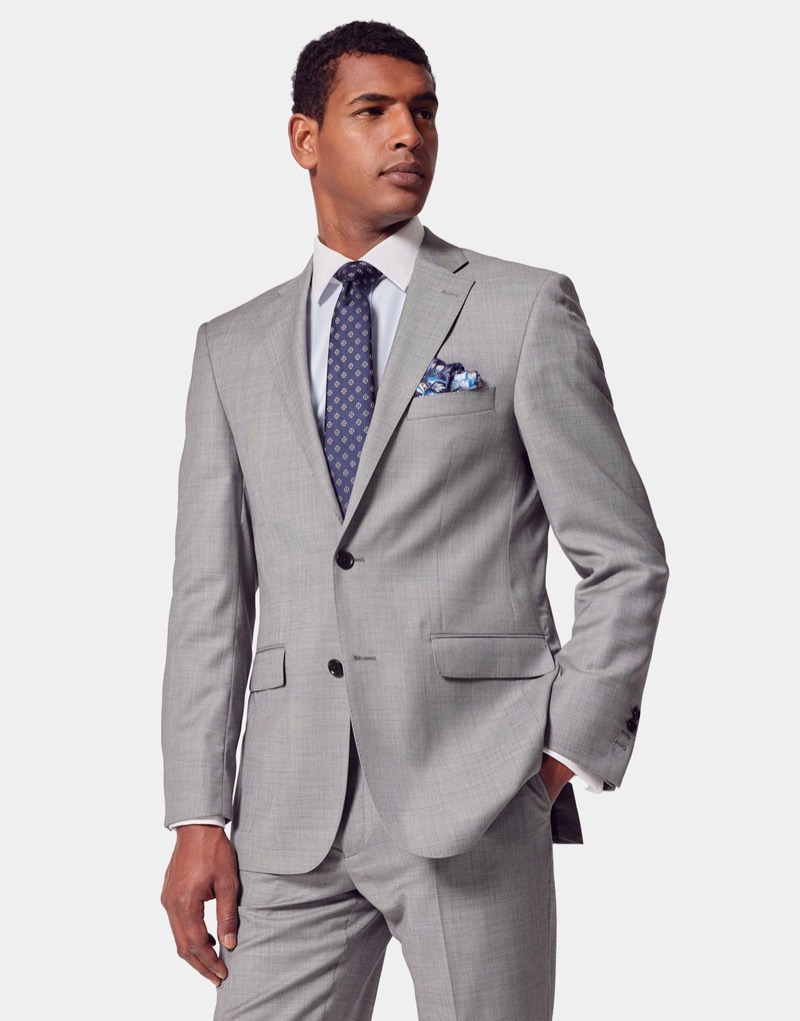
Lightweight wool is the counterintuitive entry on this list, and it deserves more attention than it gets from men who dismiss wool as a cold-weather fabric. Super 120s and Super 150s wool, and open weaves like fresco and tropical wool, are designed specifically for warm-weather wear. They breathe well because the fine fibers create a porous structure that moves air through the cloth, they manage moisture by absorbing it without feeling wet, and they hold a crease and a shape that cotton and linen cannot match.
The occasion case for lightweight wool in summer is strong. A well-cut suit in a lightweight fresco will look and feel better than a cotton suit by the end of a long occasion, because the fabric holds its shape and manages moisture in ways cotton simply does not.
Hopsack is another open-weave wool worth knowing. It has a slightly textured, basket-weave surface that resists wrinkling and wears cooler than the weave weight suggests.
Best for formal and smart occasions in summer heat, suits, blazers, and dress trousers where appearance needs to hold over the course of a full day.
What to Avoid and Why
Some fabrics make summer dressing harder than it needs to be, and understanding why helps clarify the decisions above.
Polyester and synthetic blends trap heat and moisture against the skin. Polyester does not breathe in any meaningful sense; it holds body heat and sweat rather than dispersing them. In a fabric that is 30% or more polyester, performance in heat drops significantly regardless of what the other fibers are. The sheen that often develops on polyester trousers and shirts after a season of wear is a further reason to avoid it.
Heavy denim belongs in cooler weather. A 12oz or heavier denim in summer is simply too much fabric; it absorbs heat, takes a long time to dry, and offers no breathability. Lightweight chambray, a plain-weave cotton often mistaken for denim due to its color, is a reasonable substitute for the casual occasions where the denim look is the point.
Dense weaves of any fiber perform poorly in heat regardless of fiber content. Thread count and weave density affect breathability as much as fiber type; a densely woven cotton will perform worse than an open-weave wool of similar weight. When buying summer fabrics, open and lightweight construction is worth looking for.
Best guidance: if a fabric feels heavy in your hands before you put it on, it will feel heavier once you do.
Frequently Asked Questions
What is the best fabric for summer for men? Linen is the best summer fabric for men. It breathes better than cotton, dries faster when it absorbs moisture, and keeps the body cooler over the course of a full day in heat. For formal occasions where linen is impractical, lightweight wool in an open weave such as fresco or hopsack outperforms cotton in both comfort and shape retention.
Is linen or cotton better for hot weather? Linen outperforms cotton in hot weather in almost every practical measure. Linen fibers are hollow and stiff, which allows air to move through the weave and pulls heat away from the skin. Cotton absorbs moisture and holds it; linen absorbs moisture and releases it quickly. The one advantage cotton has is that it holds its shape and resists creasing better than linen, which matters in some formal contexts.
What summer fabrics should men avoid? Polyester and high-synthetic blends are the clearest fabrics to avoid in summer. They trap heat and moisture, do not breathe, and deteriorate in appearance faster than natural fibers. Heavy denim and dense cotton weaves like Oxford cloth are also poor choices for real summer heat; they hold heat and take too long to dry.
Is wool good for summer? Lightweight wool in open weaves is one of the best summer fabrics for formal occasions. Fresco, tropical wool, and hopsack are all designed for warm-weather wear and perform better than cotton suits in heat, holding a crease and managing moisture in ways cotton cannot match. The key is weight and weave: a heavy flannel is wrong for summer; a Super 120s fresco suit is appropriate.
What is a linen-cotton blend and is it worth buying? A linen-cotton blend combines flax and cotton fibers, typically in roughly equal proportions. It breathes better than straight cotton and creases far less than pure linen, making it a practical option for men who want summer comfort in situations that require a neater appearance. For travel, smart-casual occasions, and long days where presentation matters, it is a strong choice.
What fabric keeps you cool and looks good? Linen and lightweight wool cover the two ends of the smart-casual and formal spectrum in summer. For casual and smart-casual dressing, linen trousers and shirts are the strongest option: they look good, they perform well in heat, and they suit a wide range of occasions. For formal dressing, a lightweight wool suit or trousers in fresco or hopsack will look sharper and feel cooler than cotton through a long occasion.