
Tucking a shirt in is one of those things that looks simple until it isn’t. The shirt comes untucked by noon, or it bunches at the waist, or the half-tuck you attempted in the mirror looks deliberate at home and accidental everywhere else. The mechanics are straightforward once you understand what each method is actually doing and which shirt and trouser combination it works for.
Knowing how to tuck in a shirt properly changes how a whole range of outfits land. A full tuck with chinos reads completely differently from a sloppy tuck with the same pair of trousers. The shirt is the same. The result is not.
Ways to Tuck In a Shirt
What are the different ways to tuck in a shirt? The main methods for tucking in a shirt are the full tuck, the military tuck, the half tuck, the French tuck, and the front tuck. Each produces a different silhouette and suits different shirt types, trouser cuts, and occasions.
The Full Tuck
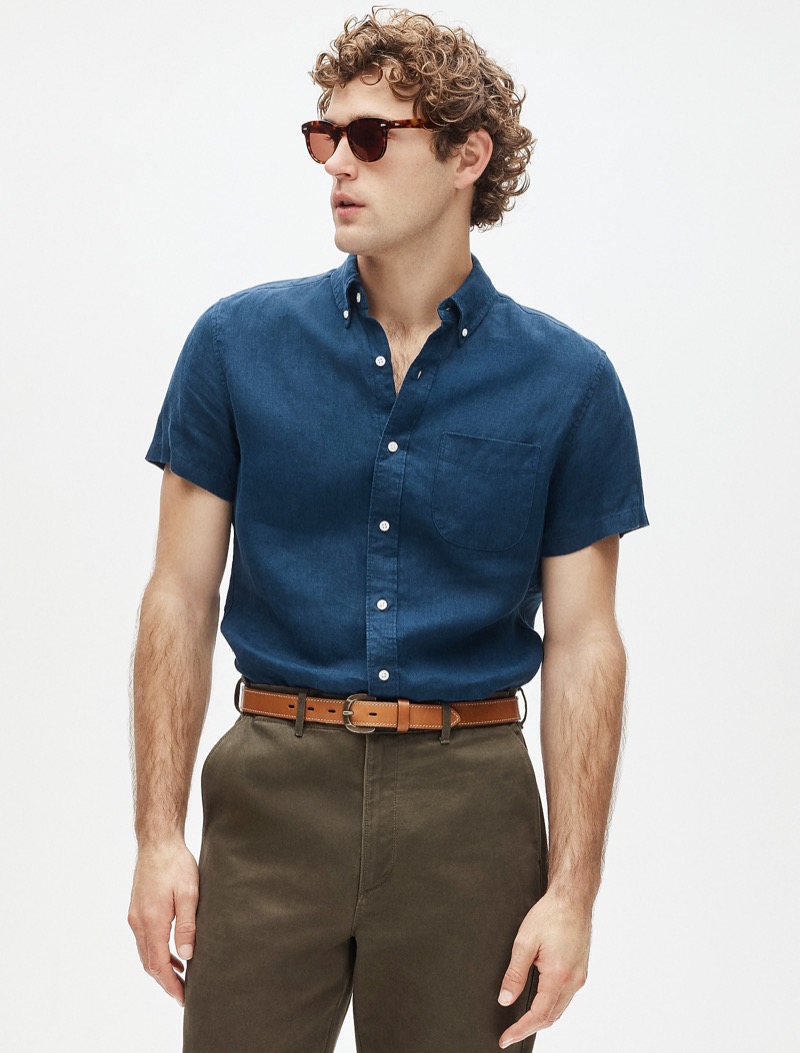
The full tuck means the entire shirt hem is tucked into the waistband, all the way around. It is the most formal of the tuck methods and the one required for dress shirts worn with a suit or tailored trousers. To do it properly, tuck the shirt in before fastening the trousers, then adjust the fabric so it sits smooth at the front and pulls flat at the sides. A shirt cut with a longer back hem and side gussets will stay tucked longer than a shirt cut with a straight hem, which is one of the practical differences between a dress shirt and a casual shirt from the full range of shirts for men.
The full tuck works with chinos, dress trousers, and tailored cuts. It reads too formal for most denim unless the occasion calls for it.
Best for dress shirts, Oxford shirts, and formal occasions. Pairs with chinos, dress trousers, and suit trousers.
The Military Tuck
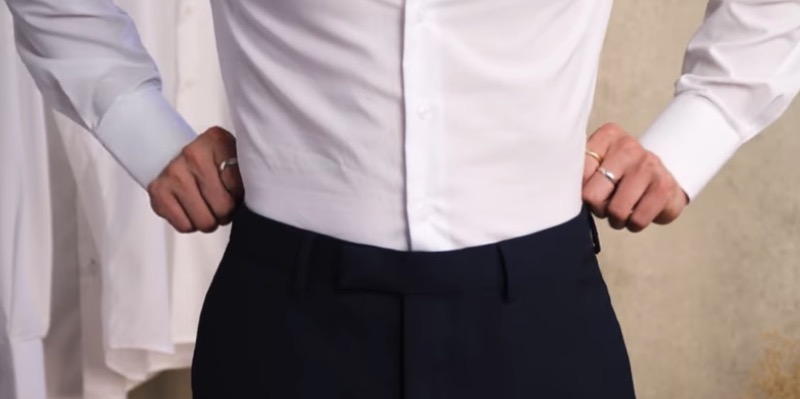
The military tuck (also called the ranger tuck) is a variation of the full tuck that removes excess fabric at the sides for a cleaner, flatter finish. After tucking the shirt in fully, pinch the extra fabric at each side seam, fold it back on itself, and tuck the fold into the waistband. The result is a full tuck with none of the bunching that comes from wearing a shirt with too much body fabric for a close-fitting trouser.
It is the move to use when you are wearing a shirt that fits well through the shoulders and chest but has more fabric in the body than your trousers accommodate. Works with slim and straight-cut types of pants where extra fabric has nowhere to go.
Best for shirts with excess body fabric, slim and straight trousers, a cleaner full-tuck finish.
The Half Tuck
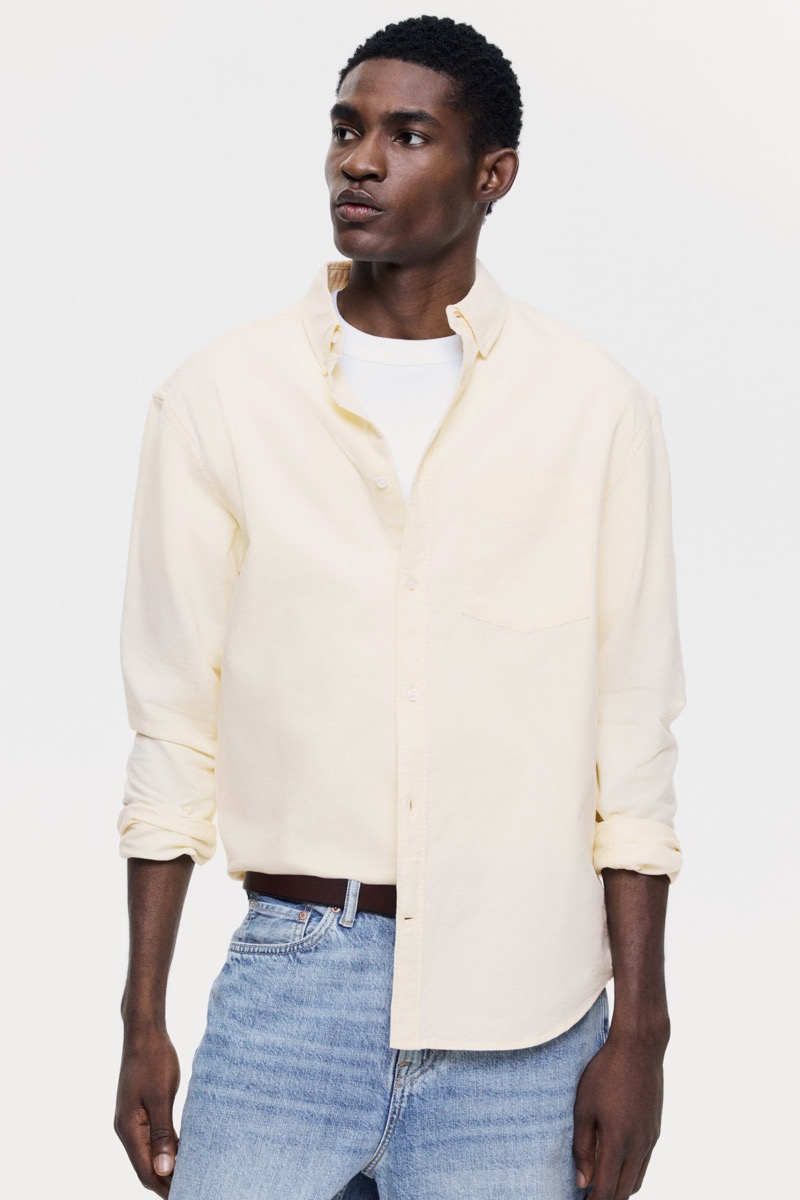
The half tuck means tucking in one side of the shirt, typically the front right, while leaving the rest untucked. It is a casual method that works only in specific contexts: relaxed-fit shirts in soft fabrics, denim, and outfits where the untucked look would work on its own. It breaks down when the shirt is too structured, when the fabric is too stiff, or when the trousers are too formal. A half tuck on a dress shirt with tailored trousers looks like the shirt came untucked, not like a choice.
The silhouette it creates is slightly asymmetric and low-effort in the right way when it works. Pair it with jeans, casual chinos, or relaxed-cut trousers for a look that has some ease without being pressed. T-shirts, soft Henleys, and lightweight casual shirts handle this method better than heavier woven fabrics.
Best for casual shirts and T-shirts, denim and relaxed trousers, low-effort casual dressing.
The French Tuck
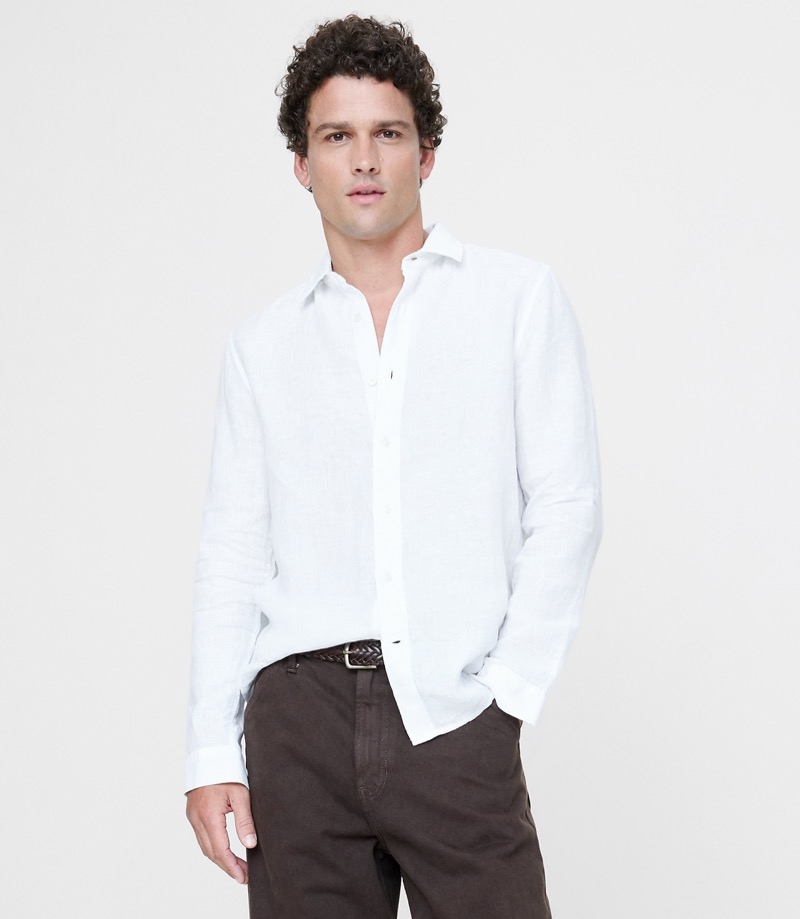
The French tuck (also called the front tuck) is a method where only the front center of the shirt is tucked into the waistband, with the sides and back left hanging. It was popularized as a styling technique for creating a visual waist break and a relaxed, put-together finish without committing to a full tuck. Grab the front center panel of the shirt, tuck a small amount of fabric into the waistband at the center front, and leave everything else out. The amount tucked in matters: too little and it looks accidental, too much and it bunches.
It works best with mid-rise and high-rise trousers where the waistband sits high enough to anchor the tuck visibly. On low-rise cuts, the tuck point is too low on the body to do its job. Among the trouser cuts it suits best are straight-leg chinos, wide-leg trousers, and relaxed jeans where the waistband sits at or above the natural waist.
Best for relaxed and oversized shirts, wide-leg and straight trousers, high-rise cuts.
The Front Tuck
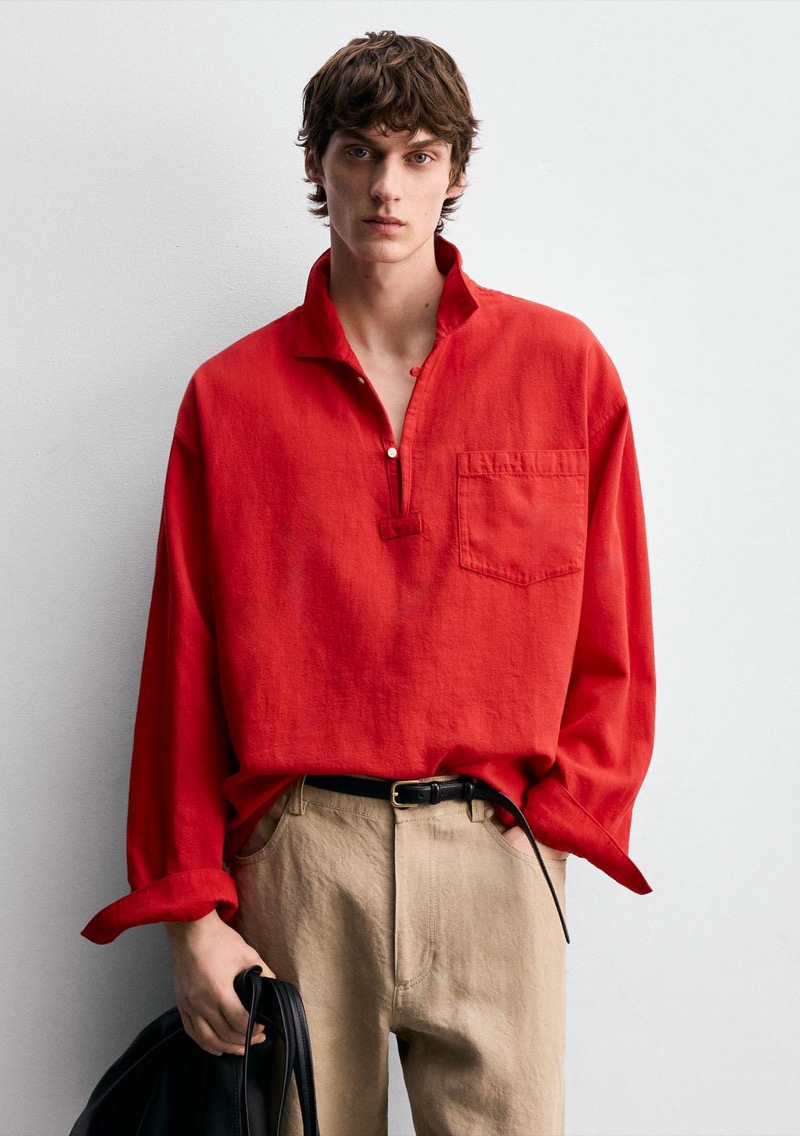
The front tuck is similar to the French tuck but uses more fabric tucked across the entire front panel rather than just the center point, leaving only the back and sides out. It creates a slightly more structured look than the French tuck while remaining casual. It is particularly effective with button-up shirts worn open over a T-shirt, where tucking the front panel adds shape to what might otherwise read as a layered look with no definition.
This method works across a wide range of casual button-up shirts, from Oxford shirts worn casually to chambray and flannel. Pair it with straight or tapered trousers where the front tuck creates a clear visual line at the waist.
Best for button-up shirts, straight and tapered trousers, adding shape to relaxed layered outfits.
When to Leave a Shirt Untucked
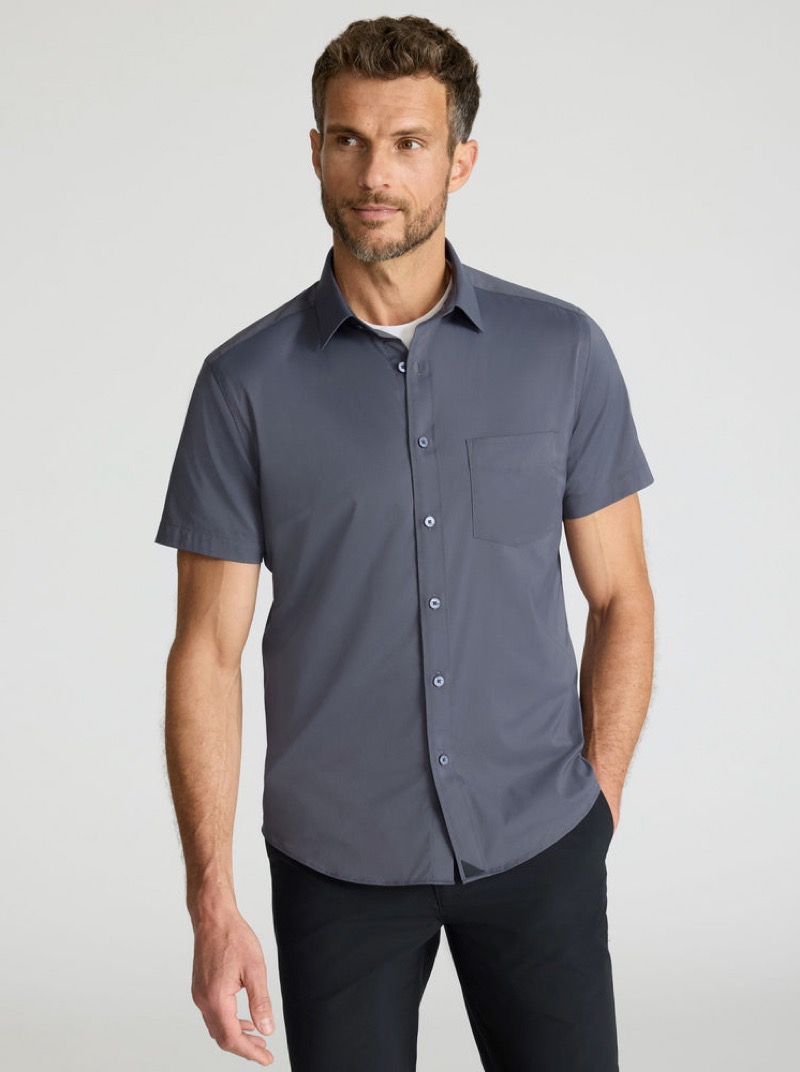
Not every shirt is meant to be tucked in. The construction of the shirt tells you which approach is right. A shirt cut with a straight hem at hip length is designed to be worn untucked, and the hem will sit cleanly at the hip without looking unfinished. A shirt cut with a longer back hem, side gussets, or a curved front hem is designed to be tucked in. Wearing it untucked means the extra fabric hangs past the hips and the silhouette loses its shape.
The occasion matters too. Casual shirts at the relaxed end of the wardrobe, T-shirts, camp collar shirts, overshirts, flannels, are untucked by design. Oxford shirts and dress shirts read better tucked in most settings, though an OCBD worn casually with jeans and left untucked is a legitimate look when the shirt fits cleanly through the body.
How to Keep a Shirt Tucked In
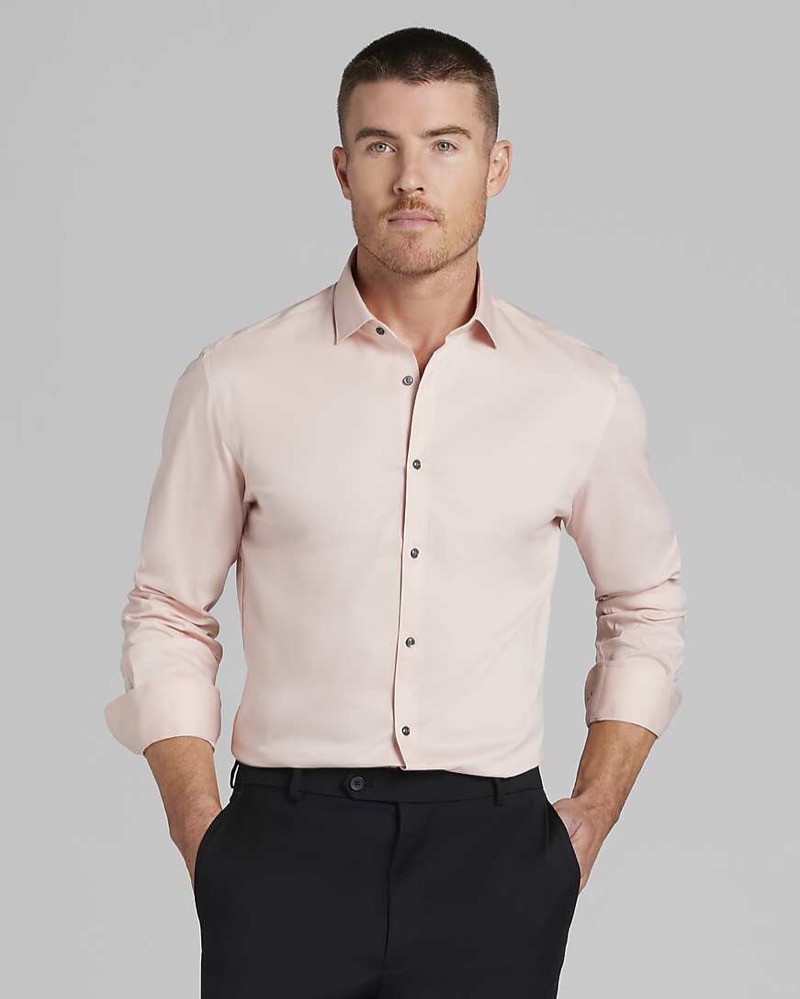
Buy the right shirt for the occasion. A shirt that keeps coming untucked is usually a shirt that wasn’t cut to be tucked in. Dress shirts have longer hems and gussets specifically to stay in place. A casual shirt tucked into dress trousers will move with every step.
Size your trousers correctly. A waistband that sits at the right point on your body holds a tuck in place. Trousers that sit too low give the shirt hem nothing to grip, and movement pulls the fabric out quickly. High-rise and mid-rise trouser cuts hold a tuck more reliably than low-rise cuts.
Use shirt stays if it matters. Shirt stays are elasticated clips that attach to the shirt hem and run down to the socks, holding the shirt flat and in place through a full day. They are the solution for formal occasions like weddings, presentations, and long days in a suit, where coming untucked would matter. They are not necessary for everyday use but they work when the situation calls for it.
Tuck before you fasten. Tuck the shirt in with the trousers unfastened, smooth the fabric, then fasten the waistband. Tucking into already-fastened trousers compresses the shirt unevenly and means it starts pulling out as soon as you move.
Frequently Asked Questions
How do you tuck in a shirt so it stays tucked? Use a shirt with a long enough hem, as dress shirts are cut with extra length at the back for this reason. Tuck before fastening the trousers, smooth the fabric flat at the front and sides, and use the military tuck at the sides to remove excess fabric if needed. For formal occasions where staying tucked matters, shirt stays are the reliable solution.
How do you half tuck a shirt? Tuck the front right side of the shirt into the waistband, leaving the rest out. The key is using a casual shirt in a soft fabric, such as linen, jersey cotton, or a lightweight woven. The tucked portion should be a small, loose amount of fabric, not a tight fold. It works with jeans and relaxed trousers and breaks down with anything too structured or formal.
Should a dress shirt always be tucked in? A dress shirt is cut to be tucked in and looks incomplete left out. The longer hem, curved tail, and gussets are all construction details designed for a tucked silhouette. Wearing a dress shirt untucked means that extra hem length hangs below the hips and the shirt loses its shape. For casual settings, an Oxford shirt or a straight-hem casual shirt is the better choice.
What is the French tuck? The French tuck is a styling method where the front center of a shirt is tucked into the waistband while the sides and back are left hanging. It creates a relaxed, shaped silhouette without the formality of a full tuck. It works best with mid-rise and high-rise trousers and suits casual and oversized shirts better than structured formal ones.
How do you tuck in a shirt without it bunching? Use the military tuck to remove excess fabric at the side seams. Pinch the extra fabric at each side, fold it back on itself, and tuck the fold into the waistband. This works best with slim and straight-cut trousers where body fabric has nowhere to redistribute. Starting with a shirt that fits well through the chest and shoulders reduces bunching before you tuck.
When should you leave a shirt untucked? Leave a shirt untucked when it has a straight or hip-length hem designed for it. Casual shirts, including T-shirts, camp collar shirts, overshirts, and flannels, are cut to sit at the hip untucked. Button-up shirts with longer curved hems and gussets are cut to be tucked in. The hem shape is the clearest signal: straight hem means untucked, curved or extended hem means tucked.
Does tucking in a shirt look more formal? Yes, in most contexts. A full tuck with chinos or dress trousers reads as more put-together than the same shirt worn out. The effect is partly about the shirt staying flat and close to the body and partly about the waistband of the trousers being visible, which adds visual structure to the outfit. The exception is deliberately casual contexts where a tuck would read as overdressed rather than sharp.