
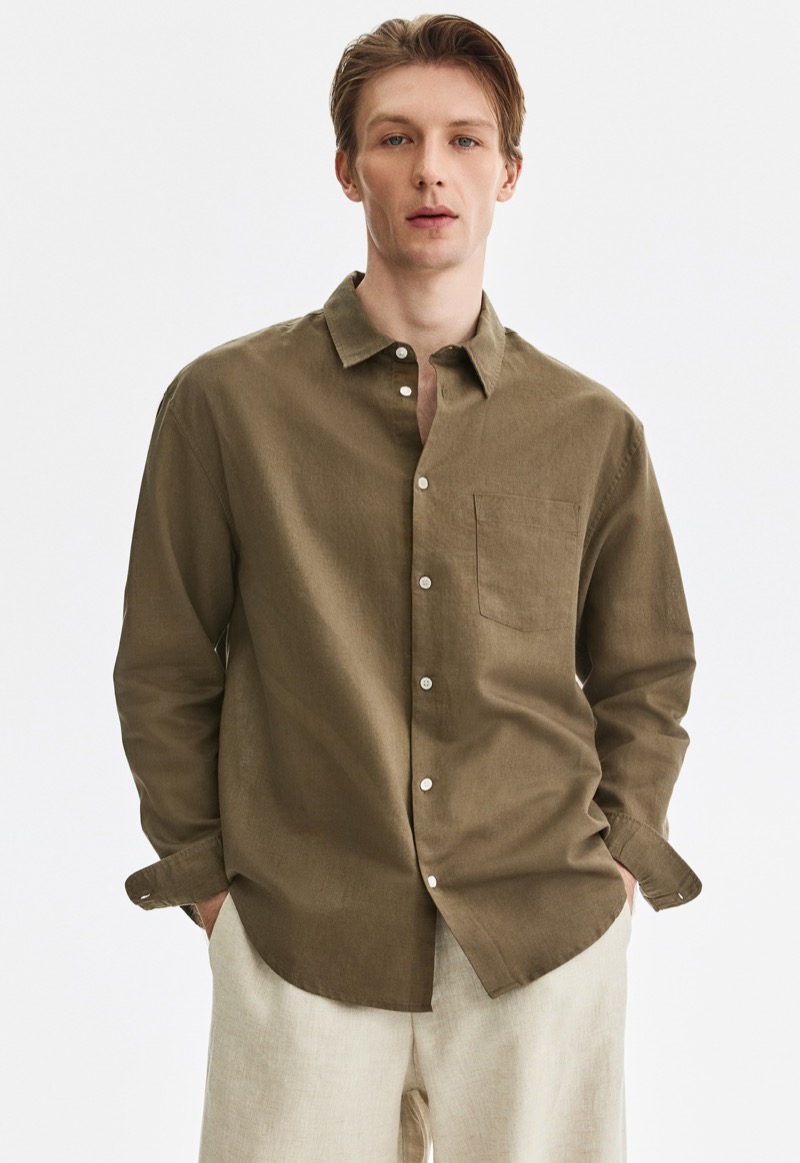
There are three ways to roll up a shirt sleeve, and the right one depends on the kind of shirt in front of you. Knowing how to roll up dress shirt sleeves starts with that distinction, because the fabric and the cuff shape determine how the roll sits and holds through the day.
Fabric weight, cuff construction, the shirt tuck, and the occasion all factor into the right approach. A casually folded linen cuff and a tightly rolled dress shirt sleeve produce two different results, suited to two different contexts. Each method below suits a specific type of shirt, and matching the two keeps the roll sitting cleanly at the forearm.
How to Roll Up Your Shirt Sleeves
The three methods cover the full range. The basic roll suits casual shirts with softer cuffs. The Italian roll works on dress shirts with structured cuffs and holds position through the day. The simple fold is the right call for lightweight fabrics where stacking creates bulk.
The Basic Roll
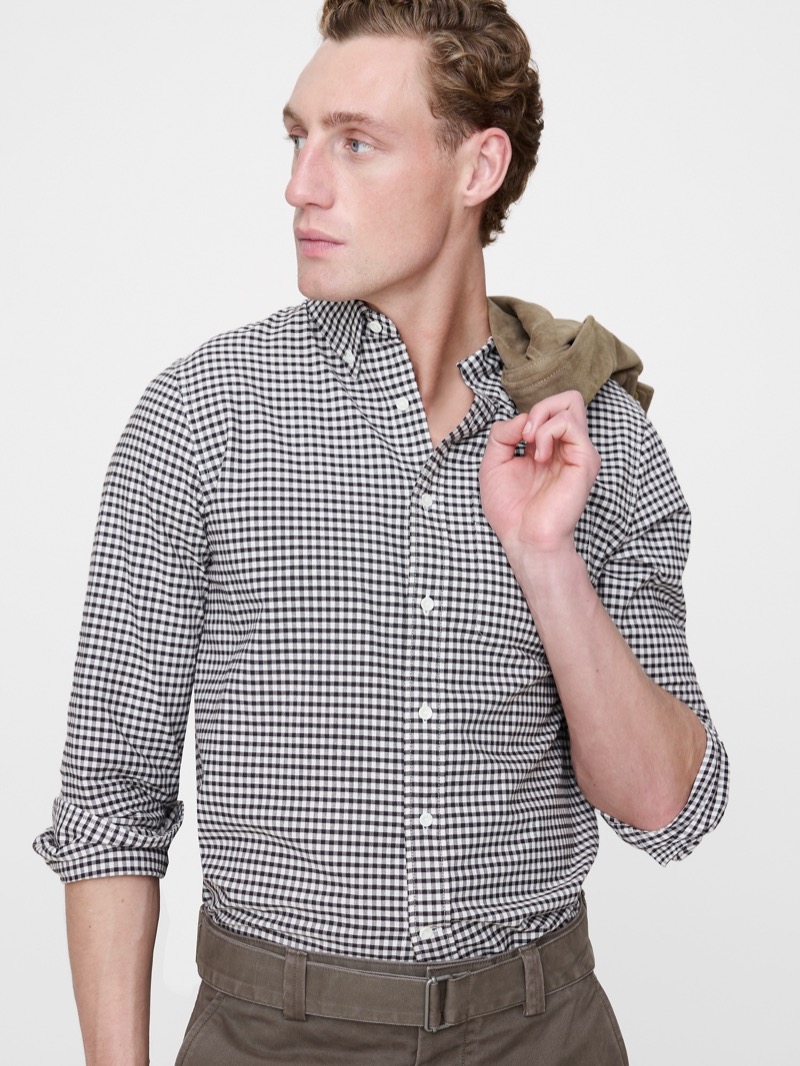
The basic roll stacks multiple folds of the sleeve body up the forearm, with the cuff folded inside the layers. The outside of the finished roll shows the sleeve body fabric, and the cuff disappears into the stack.
- Unbutton the cuff button and the gauntlet button above it.
- Fold the cuff up once so it sits flat against the sleeve.
- Fold the sleeve up again, bringing it to just below the elbow.
- Add a third fold on longer sleeves or looser fits to keep the roll from dropping.
The stacked layers grip each other well on thicker materials. Oxford cloth, flannel, and chambray all give the roll enough friction to stay in place through a full day of wear.
Best for casual button-ups, chambray, flannel, and oxford cloth shirts.
The Italian Roll
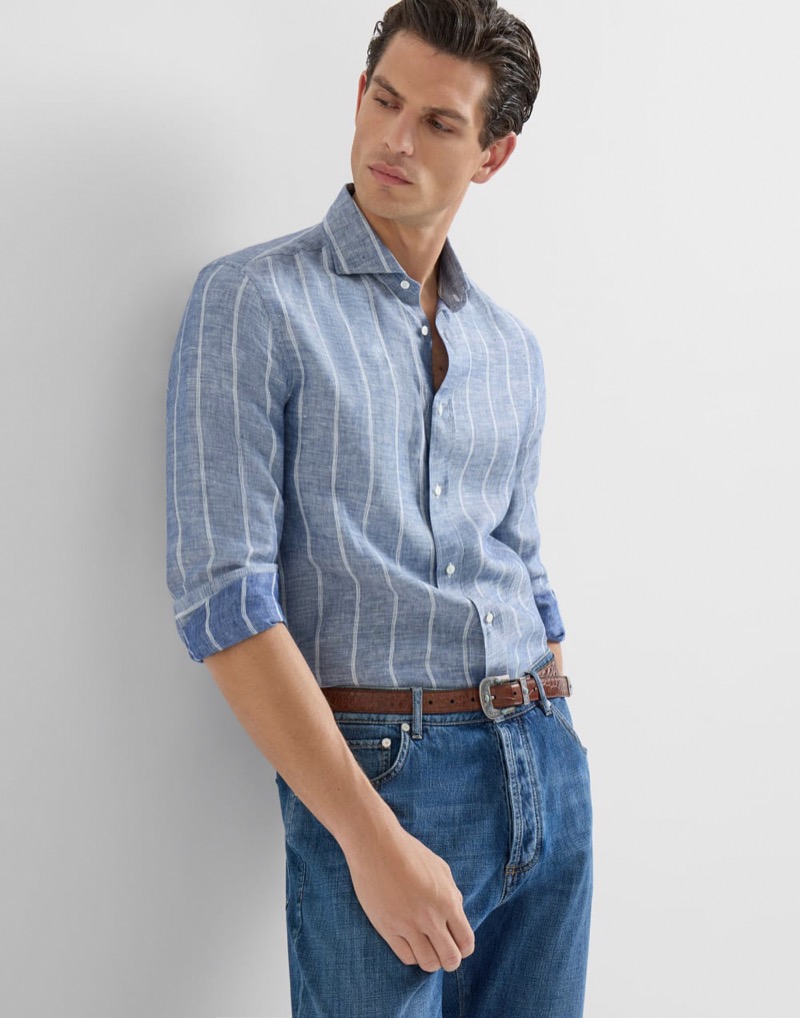
The Italian roll inverts the cuff before rolling, so the cuff fabric ends up on the outside of the finished roll as the topmost visible layer. The sleeve body tucks up inside the folded cuff, and the contrast between the two fabrics becomes a detail in the finished look.
- Unbutton the cuff and gauntlet button.
- Fold the cuff back on itself so the inside of the cuff faces outward.
- Slide the folded cuff up the forearm two to three inches.
- Pull the sleeve body up and tuck it under the folded cuff, keeping the cuff face-out on top.
- Adjust the roll up the forearm to just below the elbow.
The stiffer construction of a dress shirt cuff keeps this roll from loosening through the day, which is why the method works better on structured shirts than on casual ones. On a shirt where the cuff contrasts with the body fabric, the Italian roll puts that contrast to use.
Best for dress shirts, shirts with structured or contrasting cuffs, and fabrics with enough body to hold their shape.
The Simple Fold
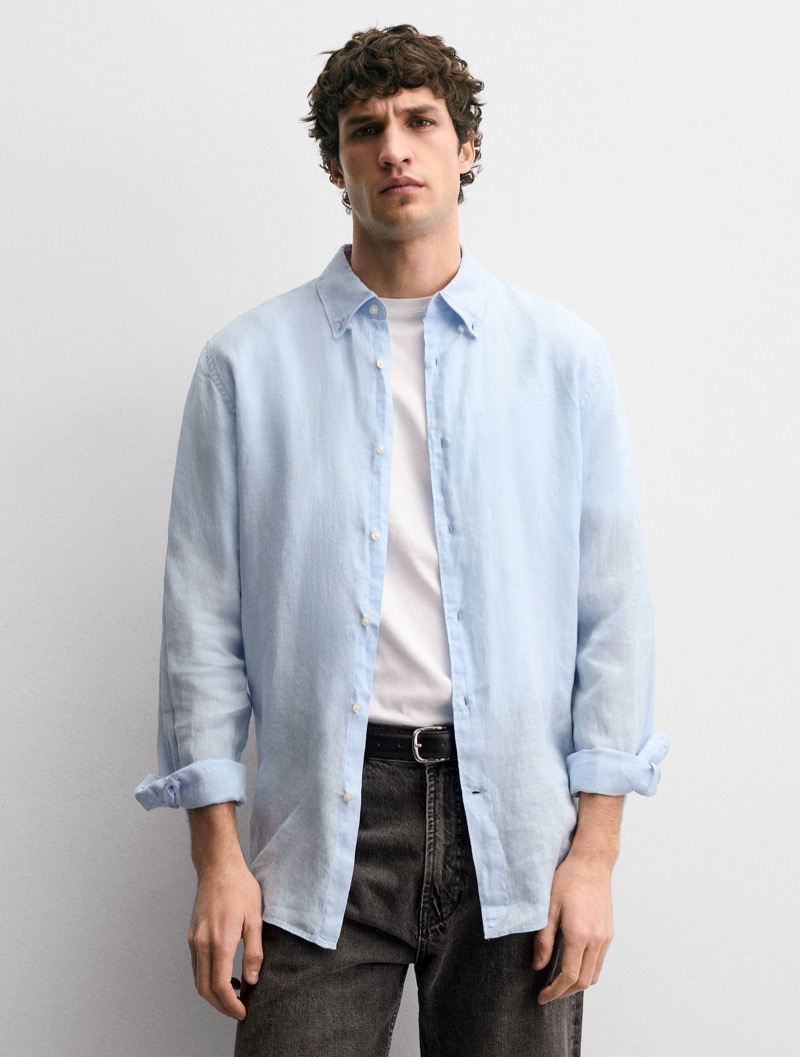
The simple fold turns the cuff back once and leaves it there. The cuff sits face-out at the base of the fold, low on the forearm, with no additional layers stacked above it.
- Unbutton the cuff.
- Fold the cuff back once so it sits flat and face-out, roughly two to three inches up the forearm.
- Adjust both sleeves to the same height.
On linen and fine cotton, stacking multiple folds creates bulk that the fabric does not support. A single fold keeps the sleeve proportionate and the cuff lying flat on lighter materials.
Best for linen, lightweight cotton, and casual shirts where a single clean fold suits the occasion.
How High Should You Roll Your Sleeves?
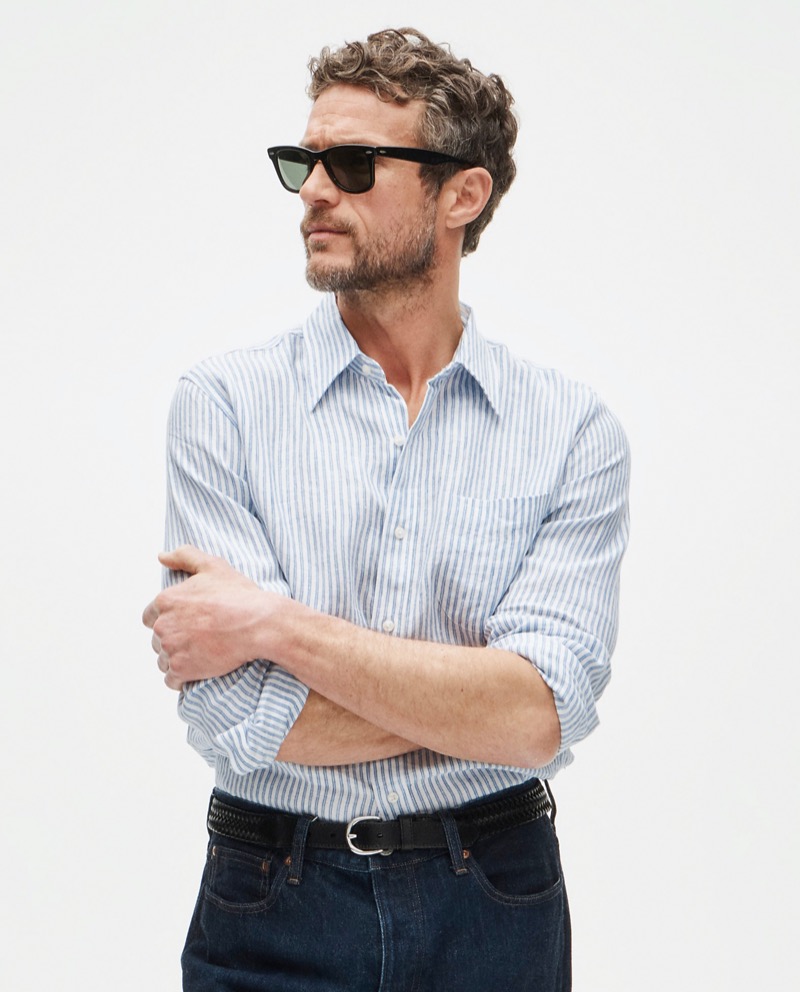
Just below the elbow is the right height for most rolls. The forearm stays free for movement and the sleeve stays in place through the day. Mid-forearm suits a more casual outfit with a relaxed fit. The Italian roll naturally sits slightly higher than the simple fold because the folded cuff adds height to the finished position. Rolling above the elbow strains most shirt fabrics and tends to look forced on structured dress shirts.
When to Roll Your Sleeves
A rolled sleeve signals that the formality of a look has been relaxed, and that signal only lands when there was formality to begin with. On a dress shirt at a smart casual occasion, rolled sleeves fit the context. In a formal business setting where a jacket stays on and the dress code is strict, sleeves stay down and buttoned. For most business casual and smart casual office environments, a cleanly rolled dress shirt sleeve fits the dress code. It looks polished and relaxed in those settings, which is what those occasions call for.
What to Avoid
Three things undo a roll faster than anything else. First, uneven height between the two sleeves. Take an extra few seconds to match them before moving on. Second, rolling over French cuffs. The double-layer construction creates too much fabric to fold cleanly, and the cufflink buttonholes sit in the wrong position for any of the methods above. Third, letting the roll drop below the elbow into a loose, bunched tube. If the roll slips during the day, re-roll from the cuff inward.
Frequently Asked Questions
What is the Italian roll for shirt sleeves?
The Italian roll is a sleeve folding method where the cuff folds back on itself first, then the sleeve body rolls up inside it. The cuff ends up as the outermost layer of the finished roll, face-out at the top. It works best on dress shirts with structured cuffs and holds its position better than a standard upward fold, because the stiffer cuff fabric keeps the roll from slipping down the forearm.
How do you roll up dress shirt sleeves properly?
Start by unbuttoning both the cuff button and the gauntlet button above it. Choose the method based on the shirt: the Italian roll for dress shirts, the basic roll for casual shirts, the simple fold for lightweight fabrics. Roll to just below the elbow and match the height on both sleeves before finishing.
How high should you roll your sleeves?
Just below the elbow is the standard height for rolling shirt sleeves. It keeps the forearm clear for movement and gives the roll enough sleeve fabric above it to stay in place. Rolling to mid-forearm works on very casual outfits with a relaxed fit. Rolling above the elbow strains most shirt fabrics and is worth avoiding on structured dress shirts.
Is rolling up your sleeves considered business casual?
Yes, in most business casual and smart casual settings, rolled sleeves on a dress shirt fit the dress code. A clean roll on a well-fitted shirt looks polished and relaxed, which suits open-collar office environments, casual Fridays, and smart casual events. In formal business settings such as client-facing meetings or anywhere a jacket stays on, sleeves stay down and buttoned.
What is the difference between the basic roll and the simple fold?
The basic roll stacks multiple folds of the sleeve body up the forearm, with the cuff folded inside the layers. The simple fold turns the cuff back once and leaves it face-out at the bottom. The basic roll suits thicker casual shirts where the fabric grips itself and holds the stack in place. The simple fold suits lightweight fabrics where multiple layers create bulk.
Can you roll up French cuffs?
French cuffs are not suited to rolling. The double-layer construction creates too much fabric to fold cleanly, and the cufflink buttonholes sit in the wrong position for a standard roll. French cuffs belong with cufflinks, worn down and fully buttoned.