
A navy suit has solved more wedding problems than any other garment a man owns. The invite arrives, the dress code is vague or unfamiliar, and five people offer five opinions on what it means. Most of the confusion comes from the same place. Wedding dress codes use language that sounds formal but rarely explains what to wear. Cocktail attire, semi-formal, black tie optional. These labels assume the guest already knows the translation. Most guests do not.
Knowing how to dress for a wedding for men comes down to matching the dress code to the right outfit and then fitting it properly. That is the whole problem, and it is a solvable one. The dress codes have rules. The rules have outfit formulas. And the formulas work across seasons, venues, and guest roles.
This is the guide that handles all of it. Every dress code a wedding invite will throw at a man, the outfit that answers it, and the mistakes that make guests look like they did not think about it at all.
Wedding Dress Codes, Explained
Black Tie
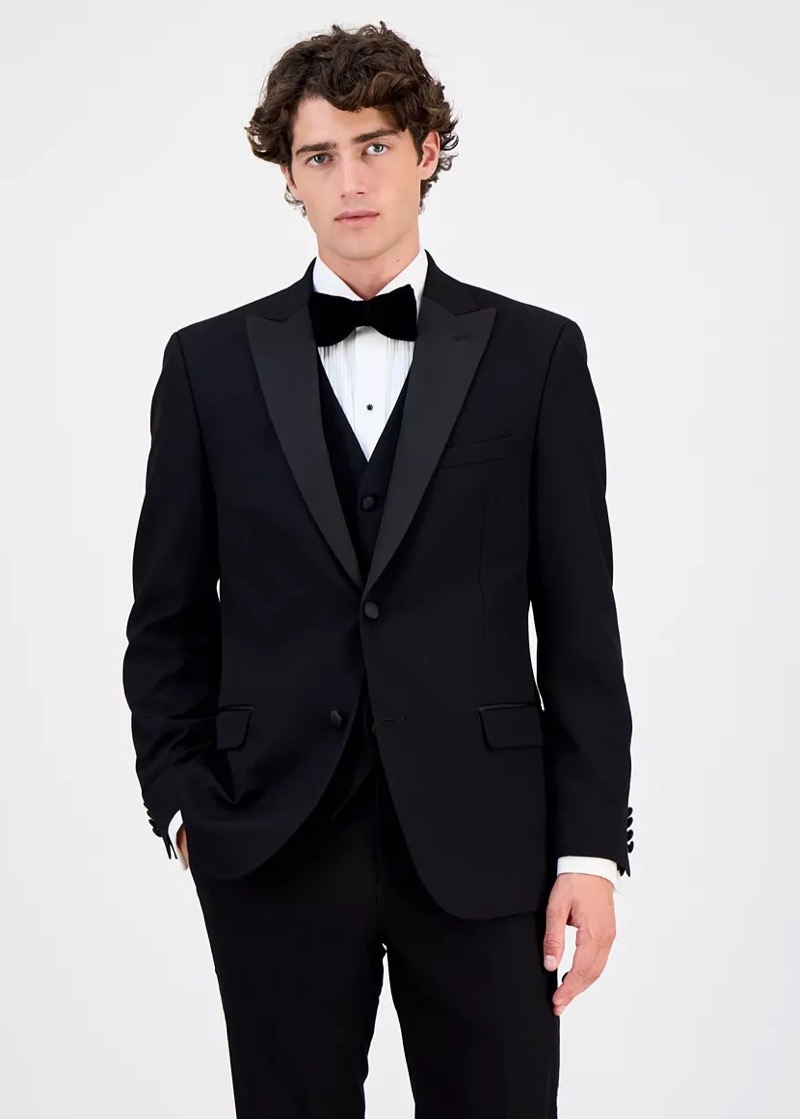
A black tie wedding means a tuxedo. Black, peak or shawl lapel, worn with a white formal shirt, a black bow tie, and patent leather or highly polished black Oxfords. The shirt should have a French cuff or a concealed placket. The shoes should reflect light.
There is no version of black tie where a dark suit substitutes for a tuxedo. The dress code is specific because the event is specific. If the invitation says black tie, the guest should treat it as an instruction, not a suggestion.
Best for formal evening ceremonies, ballroom receptions, estate weddings with a strict dress code.
Black Tie Optional / Formal
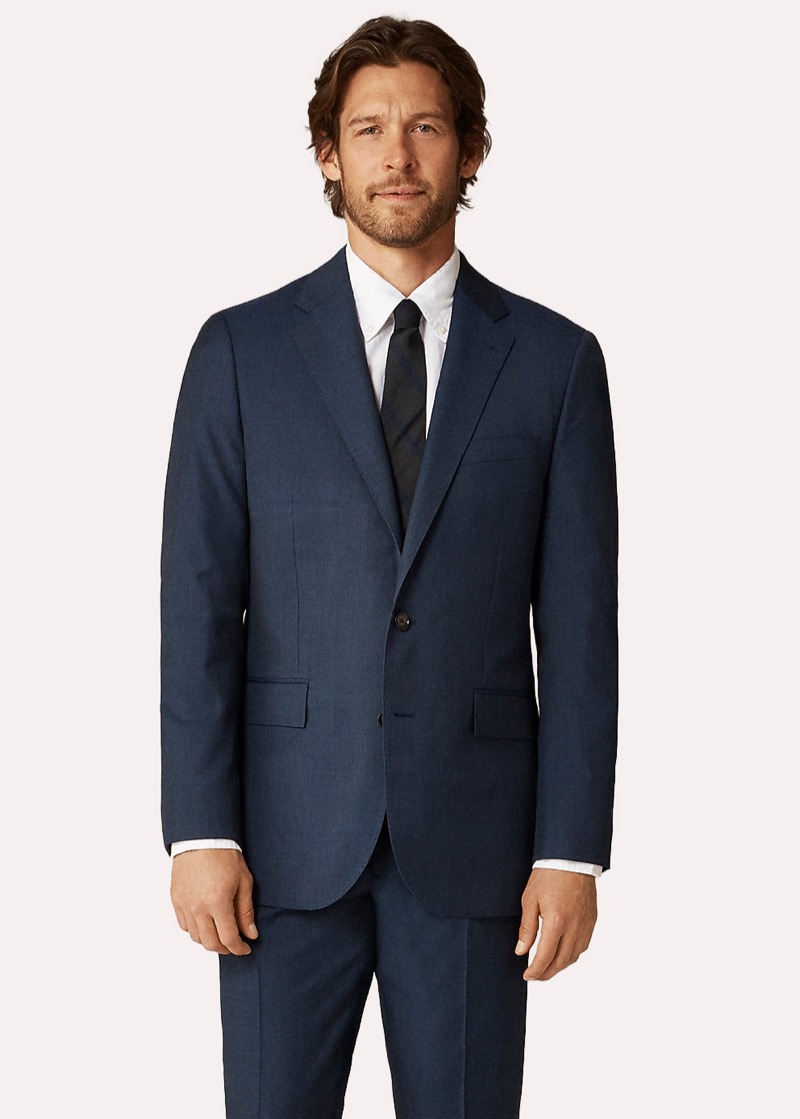
Black tie optional is the dress code that creates the most confusion, and it should not. It means the tuxedo is welcome and a dark suit is acceptable. The floor is still formal. A charcoal or midnight navy suit in worsted wool, a white dress shirt, a silk tie in a dark tone, and black Oxfords or polished Derbies will clear the bar.
The mistake men make with black tie optional is reading “optional” as “casual.” The word applies to the tuxedo only. The formality stays.
Best for evening weddings at upscale venues, hotel ballrooms, formal restaurants.
Cocktail Attire
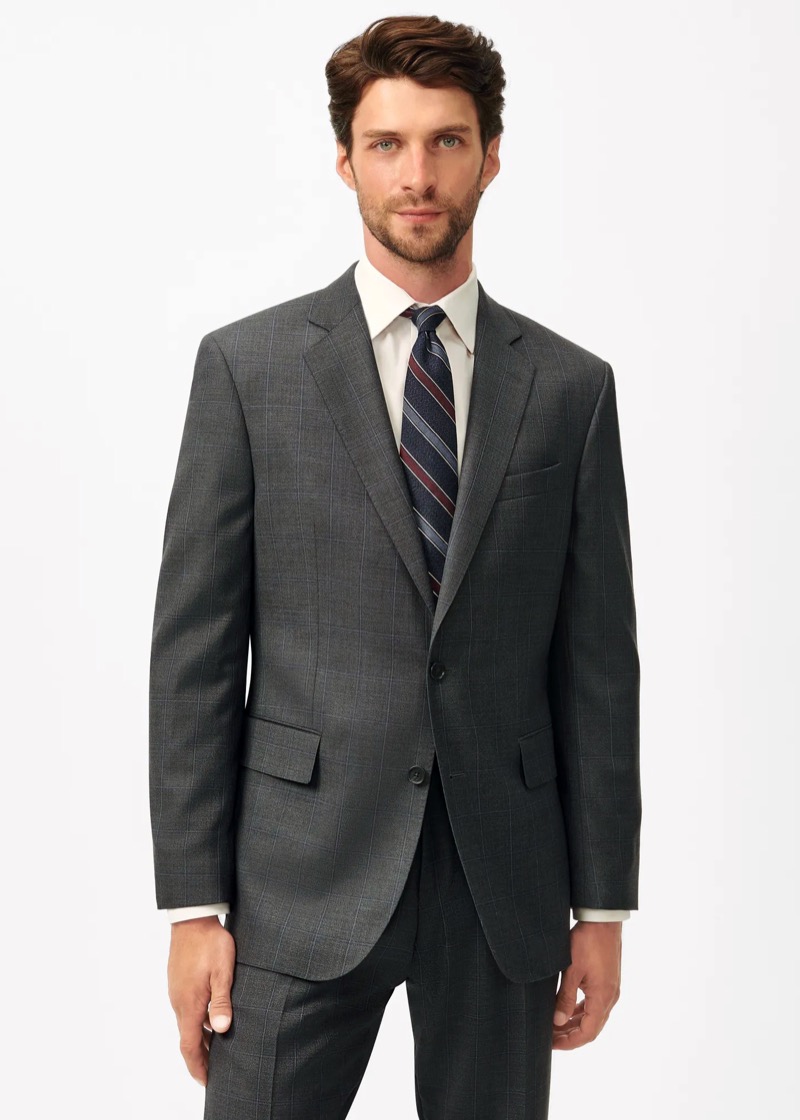
Cocktail attire is the most common wedding attire for men on modern invitations. It calls for a suit, a dress shirt, and leather dress shoes. Navy and charcoal are the standard suit colors. White and light blue are the standard shirt colors. The tie is expected but not mandatory at every cocktail wedding.
Fabric and texture have room here. A linen-wool blend suit for a summer ceremony, a mid-weight wool for fall. The shoes should be clean leather, Oxfords or Derbies, in brown or black depending on the suit.
Best for afternoon and evening weddings, urban venues, modern ceremonies, most weddings where the dress code is not explicitly formal.
Semi-Formal
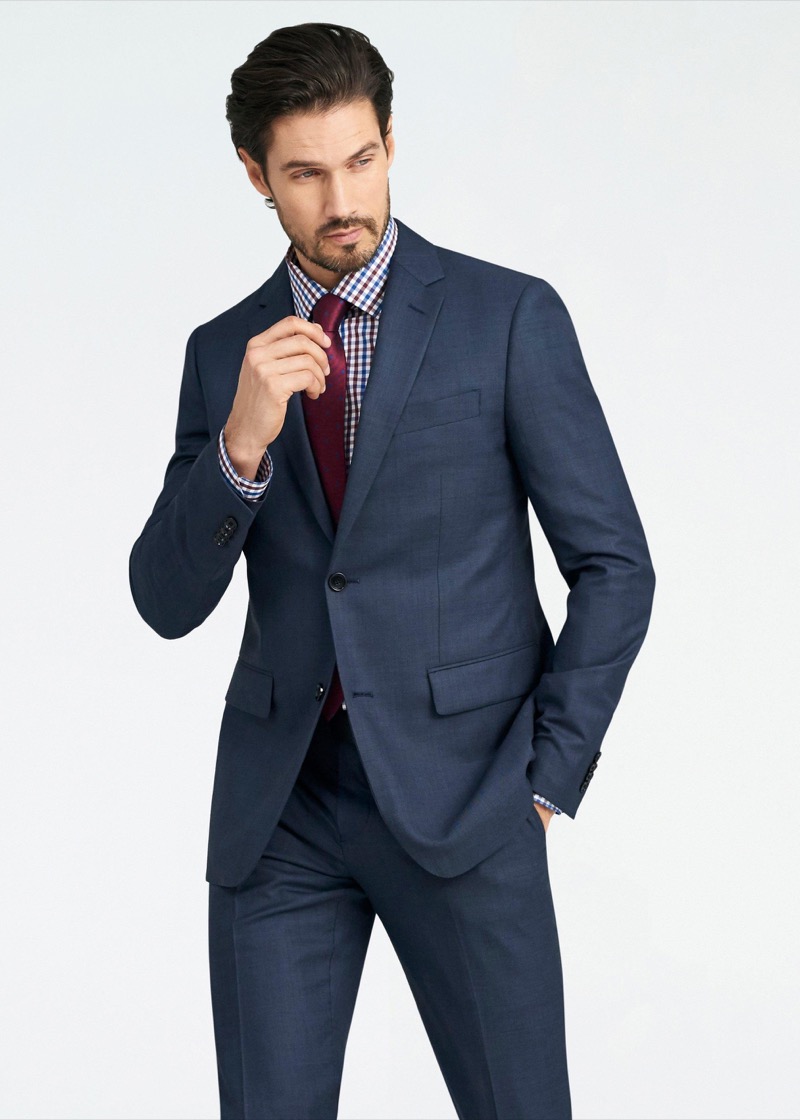
Semi-formal still means a suit for most weddings. The difference is range. Lighter colors work. Medium gray, slate blue, tan. Fabrics can flex toward the season. A cotton suit in summer, a heavier wool in winter. The shirt can be an oxford cloth button-down if the venue is relaxed enough to support it.
Spring and summer weddings in outdoor settings are where semi-formal shows up most often. The suit stays, but the overall weight and tone shift to match the environment.
Best for daytime weddings, garden ceremonies, spring and summer venues, weddings where the couple signals relaxed but polished.
Casual / Relaxed
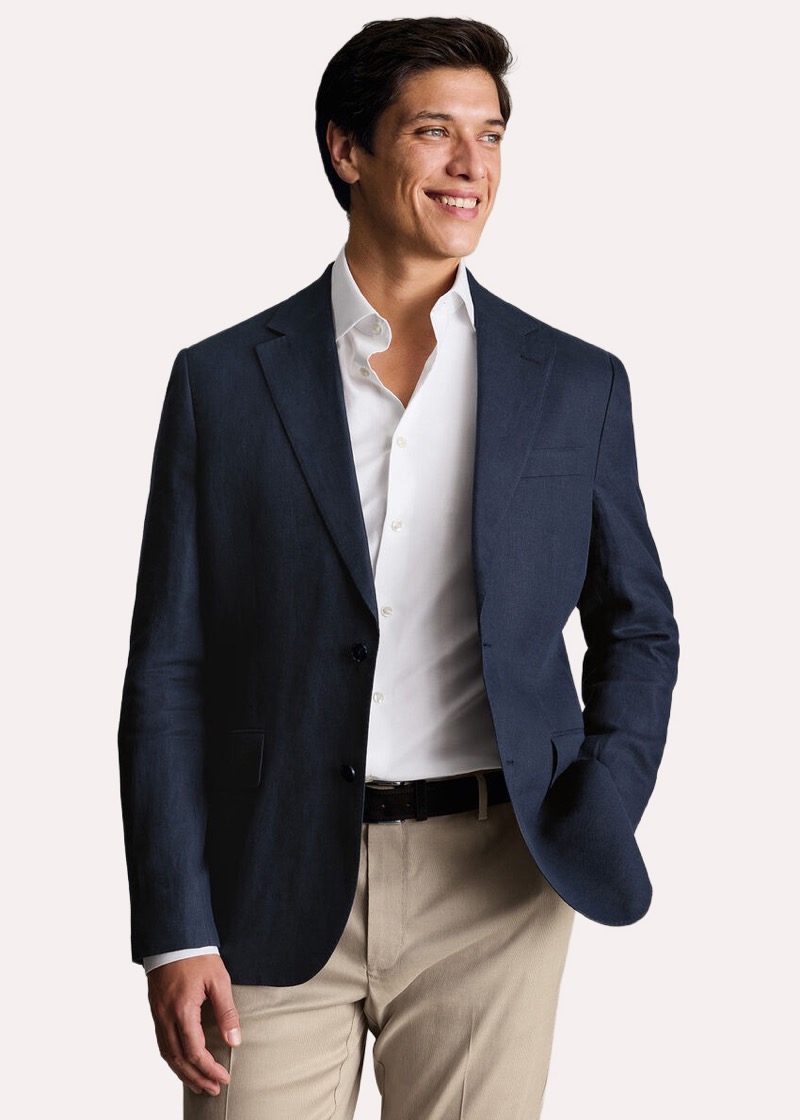
A casual wedding dress code still requires effort. The suit is optional, but a blazer and tailored trousers are the floor. A collared shirt, tucked. Shoes that are clean, polished, and made of leather or suede.
The risk with casual weddings is underdressing to the point where it looks like the guest did not care about the event. A navy blazer, gray trousers, a white shirt, and brown loafers will handle almost any casual wedding and look right doing it.
Best for backyard weddings, destination dinners, daytime celebrations, weddings where the invite specifically says casual or relaxed.
The Guest Rules That Always Apply
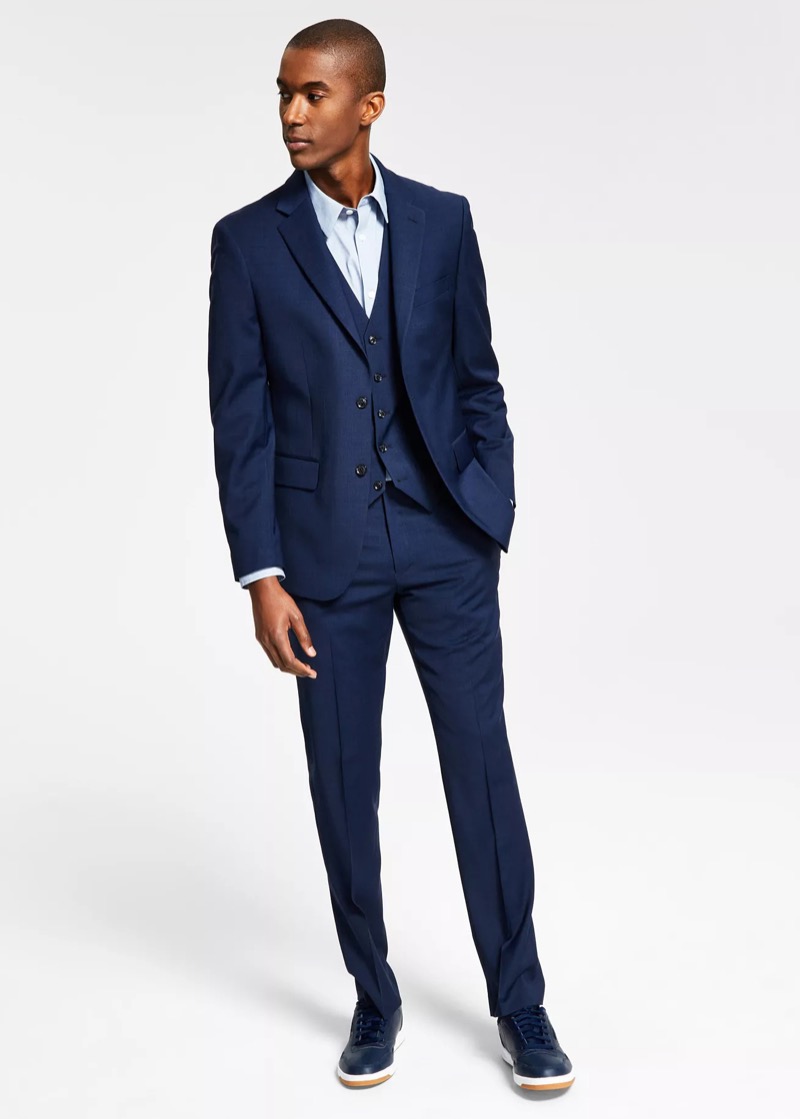
Fit over everything. A well-fitted suit in a common color will outperform an expensive suit that does not sit right on the shoulders or break at the trouser correctly. Fit is the single biggest factor in whether a wedding guest looks polished or thrown together. If there is time, take the suit to a tailor. If there is not, choose the outfit where the shoulders and chest already match.
Shoes tell the story. Scuffed shoes, rubber soles, and anything athletic undermine the rest of the outfit instantly. Leather soles or clean rubber, polished uppers, and a color that matches the formality of the suit. Brown for most daytime and cocktail weddings. Black for formal and black tie events.
Match the venue, not just the dress code. A church ceremony calls for more coverage and formality than a rooftop bar. A beach wedding changes the fabric conversation completely. The dress code sets the floor, but the venue and setting adjust where a guest should land within that range.
Stay below the couple. The wedding is the couple’s event. Bold patterns, novelty ties, statement pieces, and anything that pulls attention from the people getting married is a miscalculation. Dress well, but dress for the room.
Wedding Outfit Formulas
Black Tie Proper
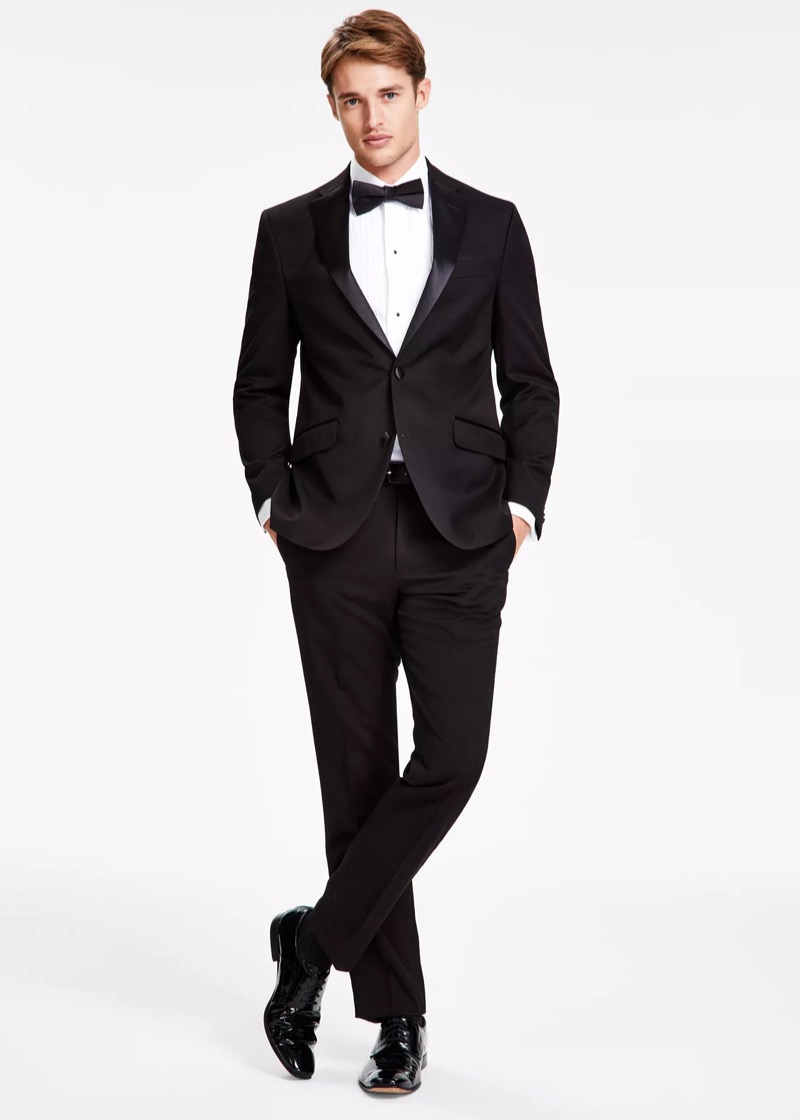
Black tuxedo in barathea or grosgrain-trimmed wool. White formal shirt with a wing or turndown collar. Black silk bow tie. Patent leather or cap-toe Oxfords in polished black. Studs and cufflinks if the shirt calls for them.
This outfit is its own category. A tuxedo is a specific garment system designed for a specific occasion. Guests who own a tuxedo should wear it when the dress code calls for it. Guests who do not own one should rent from a formalwear specialist, not a department store with a dusty rental section.
Best for black tie weddings, evening ceremonies at formal venues, any invitation that states black tie.
The Formal Guest Suit
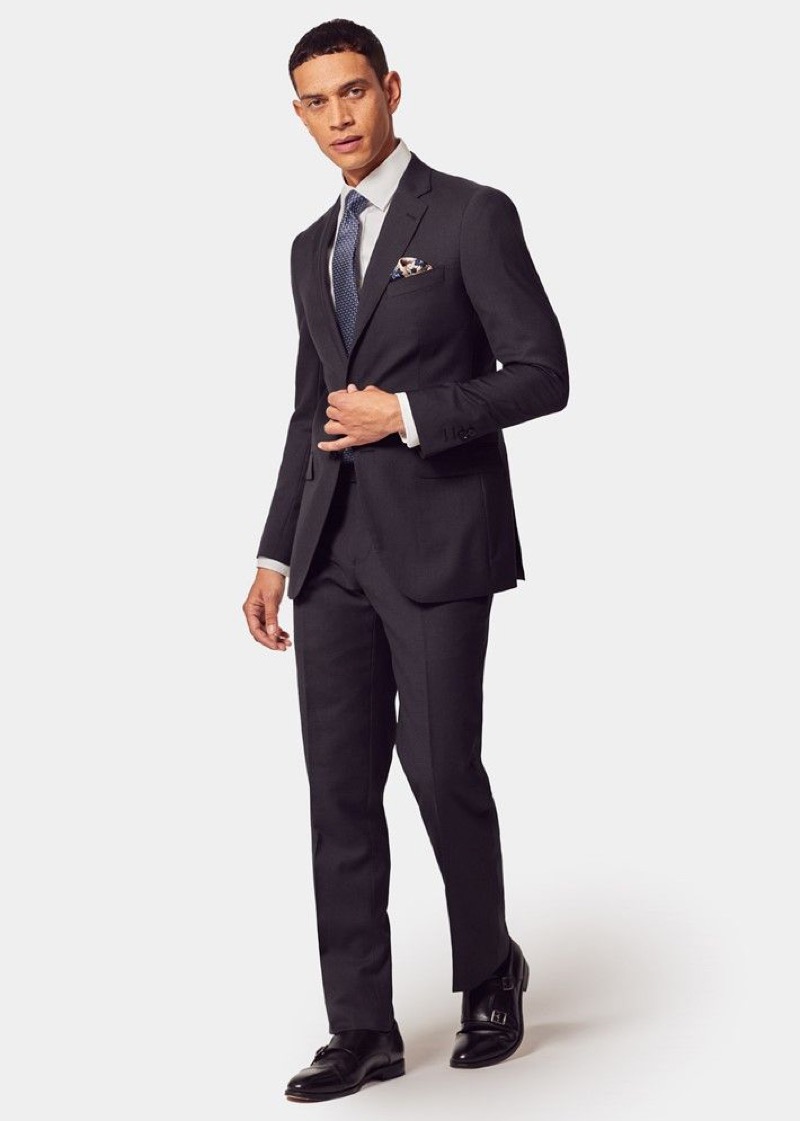
Dark navy or charcoal suit in worsted wool. White dress shirt, spread or point collar. Silk tie in navy, burgundy, or charcoal. Black cap-toe Oxfords or plain Derbies.
This is the outfit for black tie optional, formal, and any wedding where the guest is not sure whether to wear a tuxedo and decides against it. The colors are conservative. The fabrics are clean. The fit should be close but comfortable.
Best for black tie optional, formal weddings, evening ceremonies, events at hotels and estates.
The Cocktail Suit
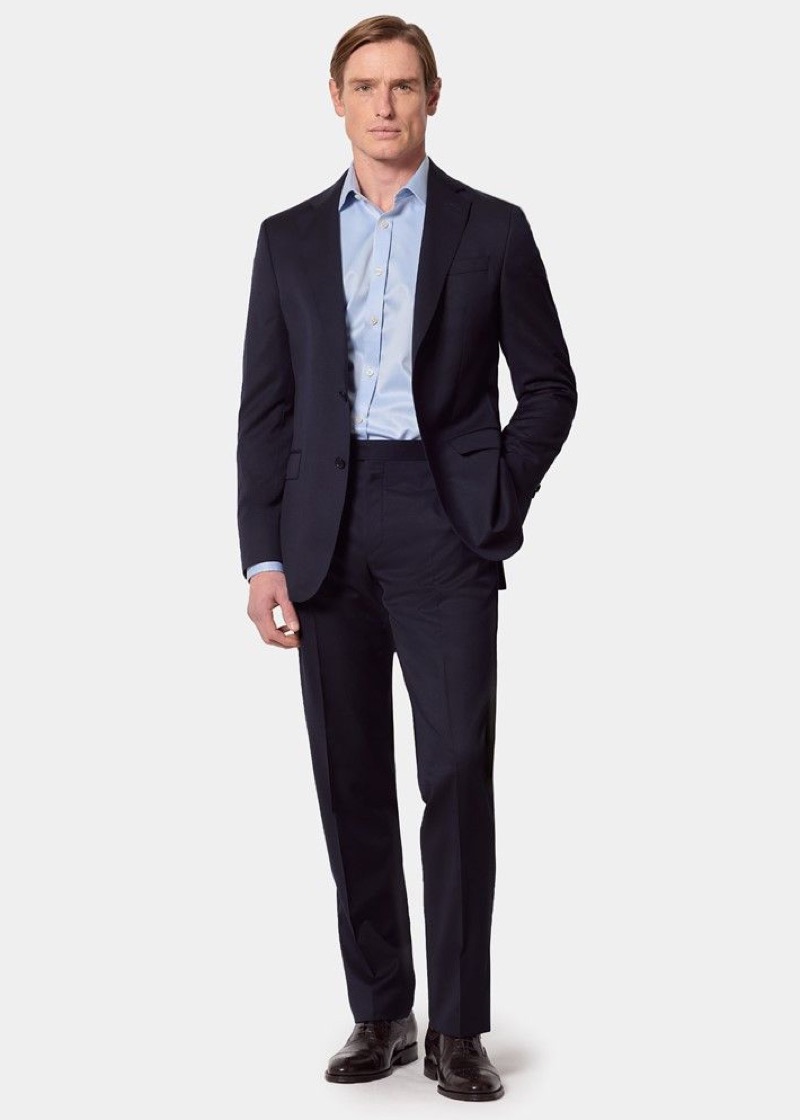
Navy suit in a seasonally appropriate fabric. White or light-blue dress shirt. Dark brown or black dress shoes, Oxfords or Derbies depending on the season. Tie optional, depending on the venue and time of day.
This is the safest wedding outfit a man can own. Navy looks formal enough for a seated dinner and relaxed enough for a garden ceremony. A man who only owns one suit and needs to attend a wedding should make it a navy suit in a mid-weight wool.
Best for cocktail attire weddings, most modern ceremonies, any wedding where the guest wants to look right in any context.
The Seasonal Light Suit
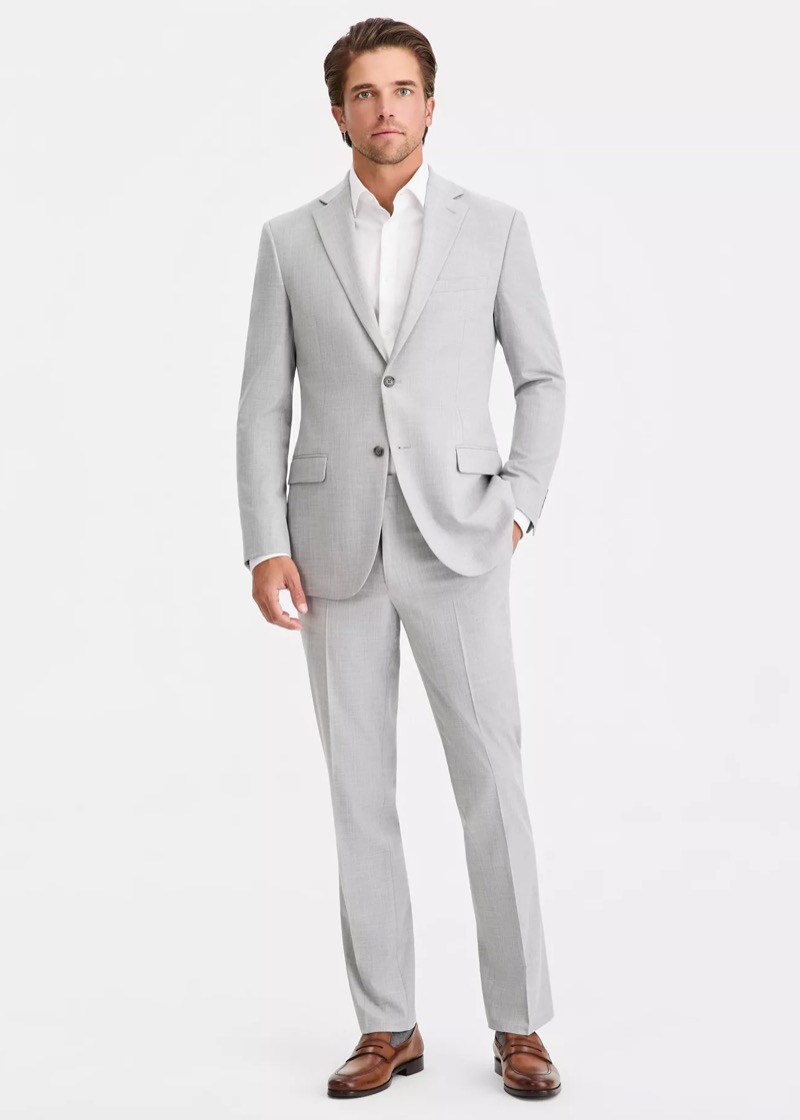
Light gray, slate blue, or tan suit in cotton, linen-cotton blend, or tropical-weight wool. White or pale-blue shirt. Brown leather loafers or suede Derbies. No tie, or a knit tie in a muted tone if the setting calls for one.
This formula works for daytime weddings in warm weather. The suit should still be tailored and pressed. Light-colored suiting shows wrinkles and fit problems faster than dark suiting, so the tailoring matters even more here.
Best for spring and summer weddings, daytime ceremonies, outdoor venues, garden parties.
The No-Suit Wedding
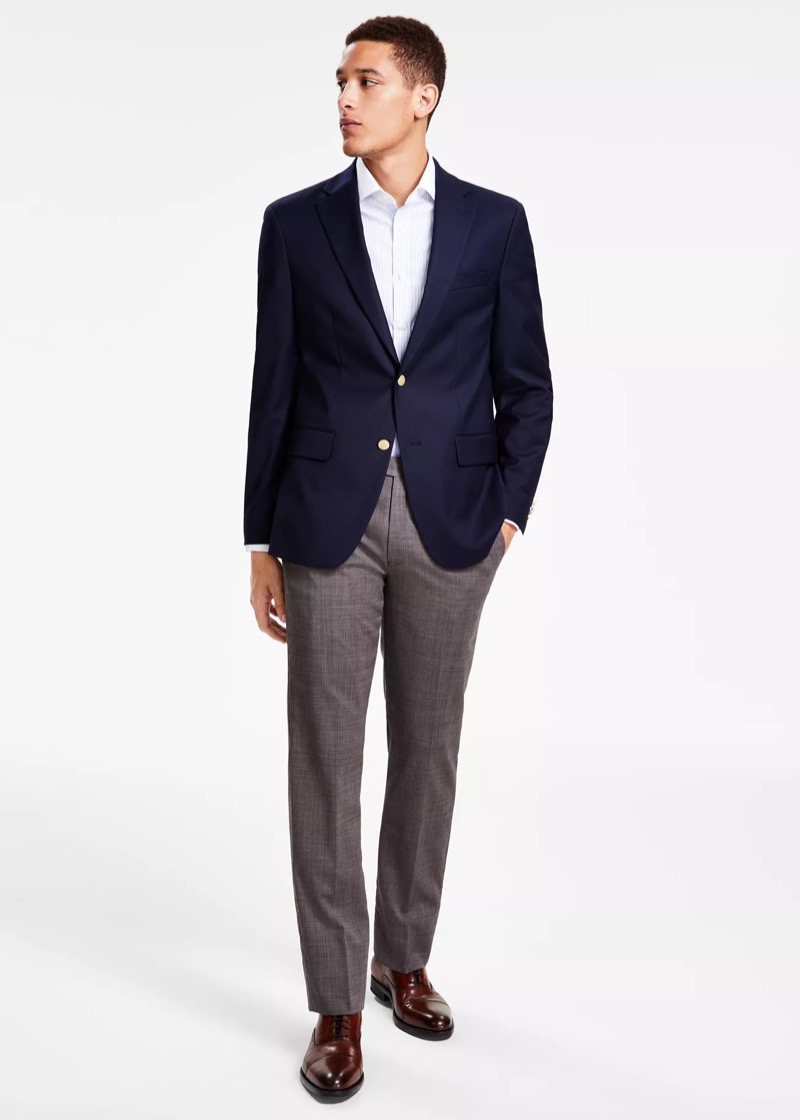
Navy blazer in hopsack or unstructured wool. Tailored trousers in gray, khaki, or cream. White or light-blue button-down shirt. Brown loafers, suede Derbies, or clean leather boots depending on the setting.
This is the outfit for weddings that say casual, relaxed, or “no suit required.” The blazer keeps the look grounded. The trousers need a proper hem and a clean break at the shoe. A man in a blazer and tailored trousers who looks like he thought about it will always outperform a man in a full suit that fits poorly.
Best for casual weddings, backyard celebrations, destination events, daytime ceremonies with a relaxed dress code.
The Summer Wedding
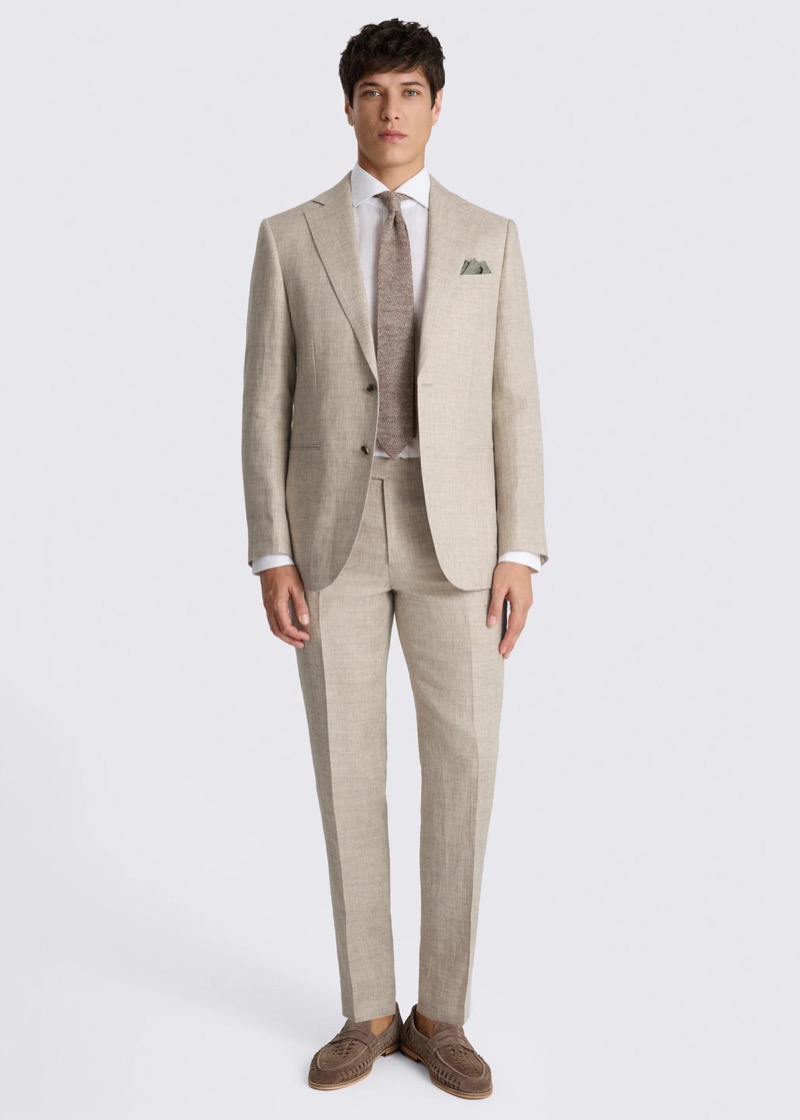
Lightweight suit or blazer and trouser combination in linen, cotton-linen, or tropical wool. Light colors in stone, sky blue, pale gray, sand. A breathable shirt in cotton or linen. Loafers or unlined suede shoes.
The summer wedding problem is fabric, and fabric alone. Linen wrinkles, and that is acceptable. Cotton-linen blends wrinkle less and hold their shape longer. Tropical wool breathes well and drapes cleanly. The outfit itself still follows the same dress-code rules as any other wedding. Only the cloth changes. Choose the weight that matches the venue and the guest’s comfort level with creasing.
Best for outdoor summer weddings, vineyard and garden ceremonies, any warm-weather event where the dress code is cocktail or semi-formal.
The Winter Wedding
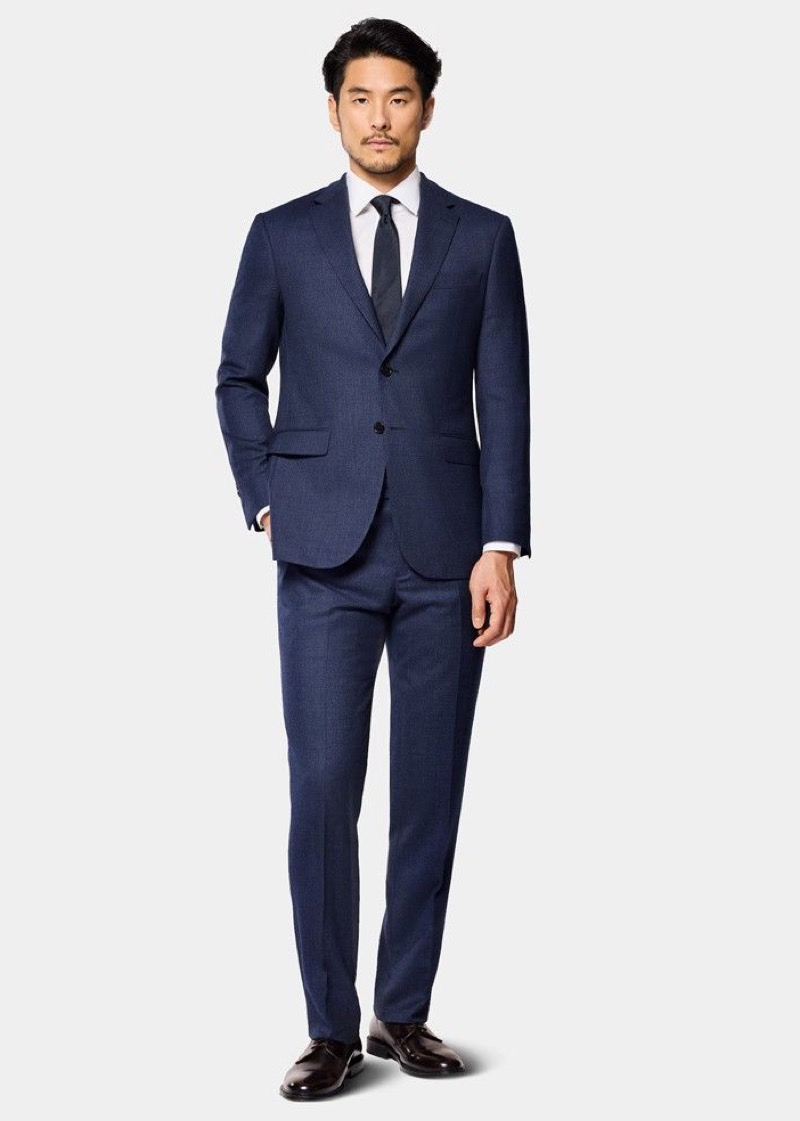
Charcoal or dark navy suit in flannel or heavy worsted wool. White or ecru dress shirt. Dark silk tie. Black Oxfords or polished dark-brown boots. An overcoat in navy, charcoal, or camel if the ceremony involves any time outdoors.
Winter weddings reward texture. Flannel suiting has a soft surface that photographs well in cold-weather light. Heavier shirt fabrics, such as a broadcloth or twill, work better under winter tailoring than a thin poplin. The overcoat should fit over the suit jacket cleanly, which means buying or renting one that accounts for the layering.
Best for winter weddings, evening ceremonies, indoor venues during cold months, holiday-season events.
The Beach or Destination Wedding
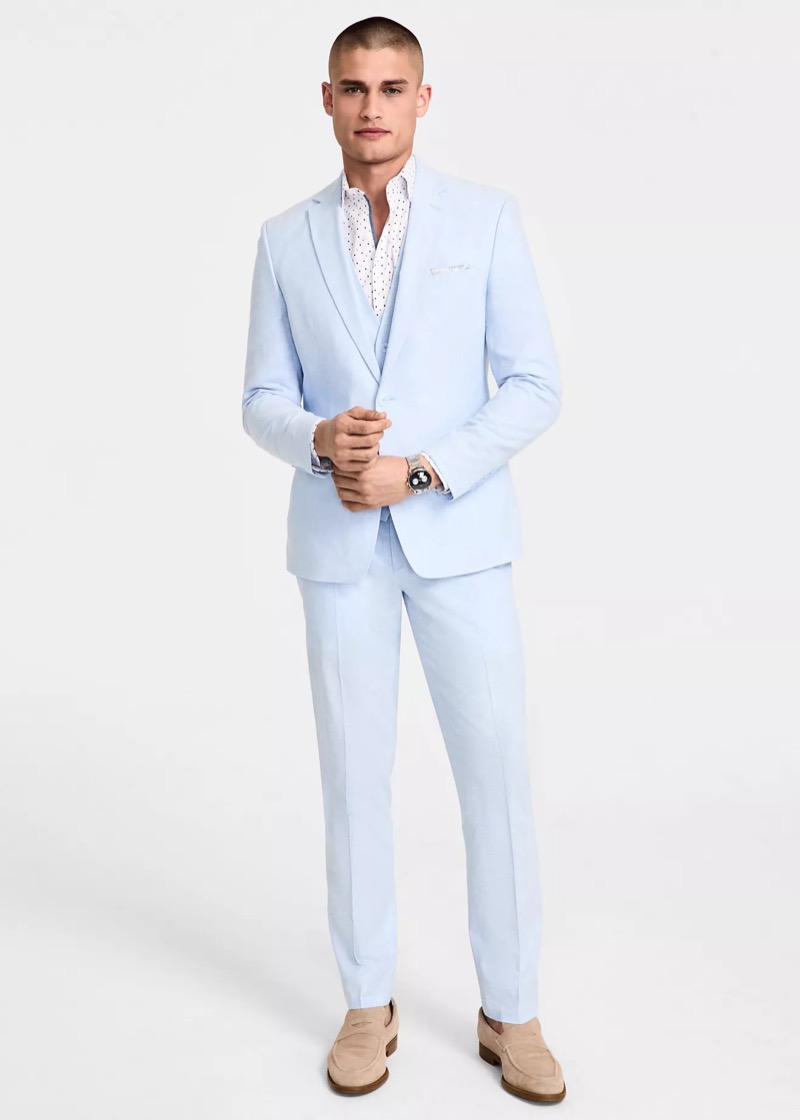
Unstructured blazer or a soft-shoulder suit in a neutral tone. Sand, cream, light blue, pale olive all work. Camp-collar shirt or a relaxed linen button-down. Loafers, espadrilles, or clean leather sandals only if the couple has explicitly stated the dress code allows it.
The issue at a beach or destination wedding is formality, not temperature. The setting tempts men to underdress, and that is where the outfit falls apart. A soft blazer over a camp-collar shirt with tailored trousers looks right on a terrace or a shoreline. Board shorts and a Hawaiian shirt belong at a different event entirely. The venue is relaxed. The occasion still demands that the guest showed up with a plan.
Best for beach ceremonies, tropical destination weddings, resort events, any wedding on sand or near water.
The Common Wedding Mistakes
The last-minute suit. A suit purchased the week of the wedding and worn straight off the rack almost always fits poorly. The shoulders may be close, but the sleeves, trouser length, and jacket body will show the difference. If the suit is new, bring it to a tailor at least a week before the event. A $50 alteration transforms a $300 suit.
The overdressed wrong turn. Showing up in a three-piece suit and pocket square at a backyard barbecue wedding misreads the room. The outfit should match the event, and the event sets the ceiling as well as the floor.
The attention grab. A bold patterned shirt, a novelty tie, or a statement jacket competes with the couple. If the guest’s outfit gets more comments than the ceremony, something went wrong.
The neglected shoes. Dirty shoes, scuffed leather, or athletic sneakers beneath a suit will undo everything above the ankle. Clean and polish dress shoes before the event. If the shoes are beyond saving, replace them.
The poor fit. Suit jackets that pull at the button, trousers that pool at the shoe, shirts that billow at the waist. These are the details guests notice in photos years later. Fit is the difference between looking like a man who dresses well and a man wearing a costume.
The Fast Answer
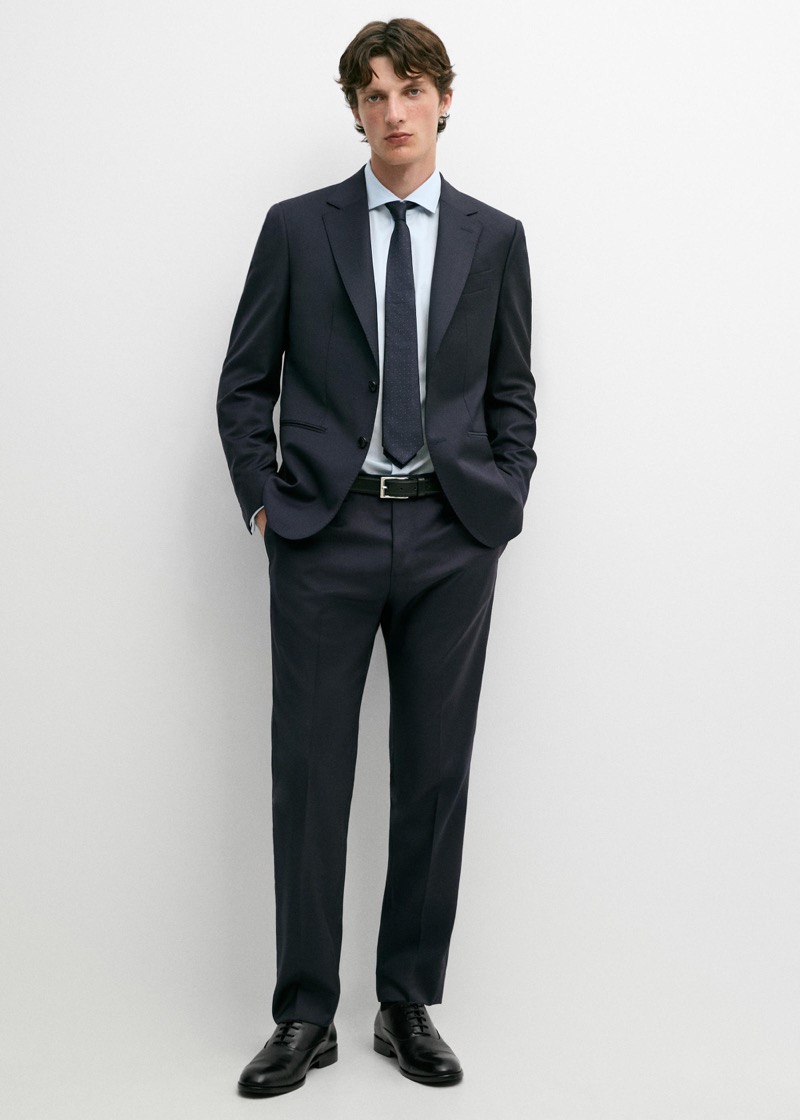
Thirty seconds before leaving for a wedding with no clear dress code. Navy suit, white dress shirt, dark tie, brown or black dress shoes. This combination handles cocktail attire, semi-formal, and most ambiguous invitations. It is appropriate at urban ceremonies, suburban churches, outdoor receptions, and hotel ballrooms.
If the wedding is explicitly casual, go with a navy blazer, gray trousers, white shirt, brown loafers. Skip the tie.
If the wedding is black tie, rent a tuxedo. A dark suit is acceptable at black tie optional events, but a standard suit at a black tie wedding will feel underprepared the moment the guest walks in.
Frequently Asked Questions
What should a man wear to a wedding as a guest?
A navy or charcoal suit with a white dress shirt and leather dress shoes covers the majority of wedding dress codes. For cocktail attire and semi-formal weddings, this combination works in virtually every venue and season. Adjust the fabric weight for the time of year and swap the tie in or out based on how formal the event feels.
What is cocktail attire for a wedding?
Cocktail attire for a wedding means a full suit in a refined fabric, a dress shirt, and polished leather shoes. Navy and charcoal are the standard suit colors. The shirt should be white or light blue. A tie is expected at most cocktail weddings, though some evening events and modern venues allow an open collar if the rest of the outfit is sharp.
Can you go to a wedding with no suit?
A man can attend a wedding in a blazer and tailored trousers if the dress code says casual, relaxed, or explicitly states that a suit is not required. The key is that the outfit still looks assembled and sharp. A navy blazer, a pressed shirt, and clean leather shoes will work at a casual ceremony. Jeans, untucked shirts, and sneakers do not work at any wedding.
What do you wear to a summer wedding?
Summer weddings call for lighter fabrics and lighter colors. A suit in linen, cotton-linen, or tropical wool works well, particularly in tones like light gray, blue, or sand. Loafers or suede shoes complement the lighter weight. The outfit should feel comfortable in heat but still look polished. Wrinkling is acceptable in linen. Looking like a man who forgot to plan is a separate problem entirely.
What is the difference between formal and semi-formal wedding attire?
Formal wedding attire means a dark suit in navy or charcoal, a white dress shirt, a silk tie, and black dress shoes. Semi-formal allows for lighter suit colors, more seasonal fabrics, and slightly relaxed details like an oxford cloth shirt or brown shoes. Both require a full suit. The difference is in color range, fabric weight, and how closely the outfit tracks toward traditional business dress.
Is it OK to wear a black suit to a wedding?
A black suit works at evening weddings with a formal or black tie optional dress code. It struggles at daytime weddings, outdoor ceremonies, and events with a lighter tone. A black suit looks formal and urban, and at a garden wedding or beach ceremony, it will feel heavy against the setting. Navy is the safer option for most weddings because it fits a wider range of settings and times of day.
What shoes should a man wear to a wedding?
Leather dress shoes in black or brown are the standard for wedding guest attire. Black Oxfords or Derbies pair with formal and black tie outfits. Brown Oxfords, Derbies, or loafers pair with cocktail, semi-formal, and casual dress codes. The shoes should be clean, polished, and free of scuffs. Suede shoes work at summer and destination weddings if the overall outfit supports them.
What should you avoid wearing to a wedding?
Avoid white or off-white suits, which compete with the couple’s attire. Avoid jeans, athletic shoes, graphic tees, and casual shorts regardless of how relaxed the venue feels. Novelty ties, bold prints, and statement accessories pull focus from the ceremony. If any piece of the outfit is designed to get attention, leave it at home. The wedding is not the event for it.